
Right, you’ve had your baby, you’ve been cleared by your GP at 6 weeks (or longer if you had a c-section), and now you’re wondering: what do I actually DO? What exercises are safe? Where do I even start?
This is your complete 12-week postpartum workout plan – broken down week by week, with specific exercises, realistic expectations, and modifications for whether you had a vaginal birth or c-section.
This isn’t about “getting your body back” or “bouncing back.” This is about rebuilding your strength properly, healing correctly, and feeling like yourself again – without rushing or risking injury.
Important: I’m not a physiotherapist or doctor. This plan is based on general postpartum exercise guidance and my own experience — but every postpartum recovery is different. If you had complications, significant tearing, a c-section, or any ongoing symptoms, please get clearance from your GP and consider seeing a women’s health physiotherapist before following any exercise programme.
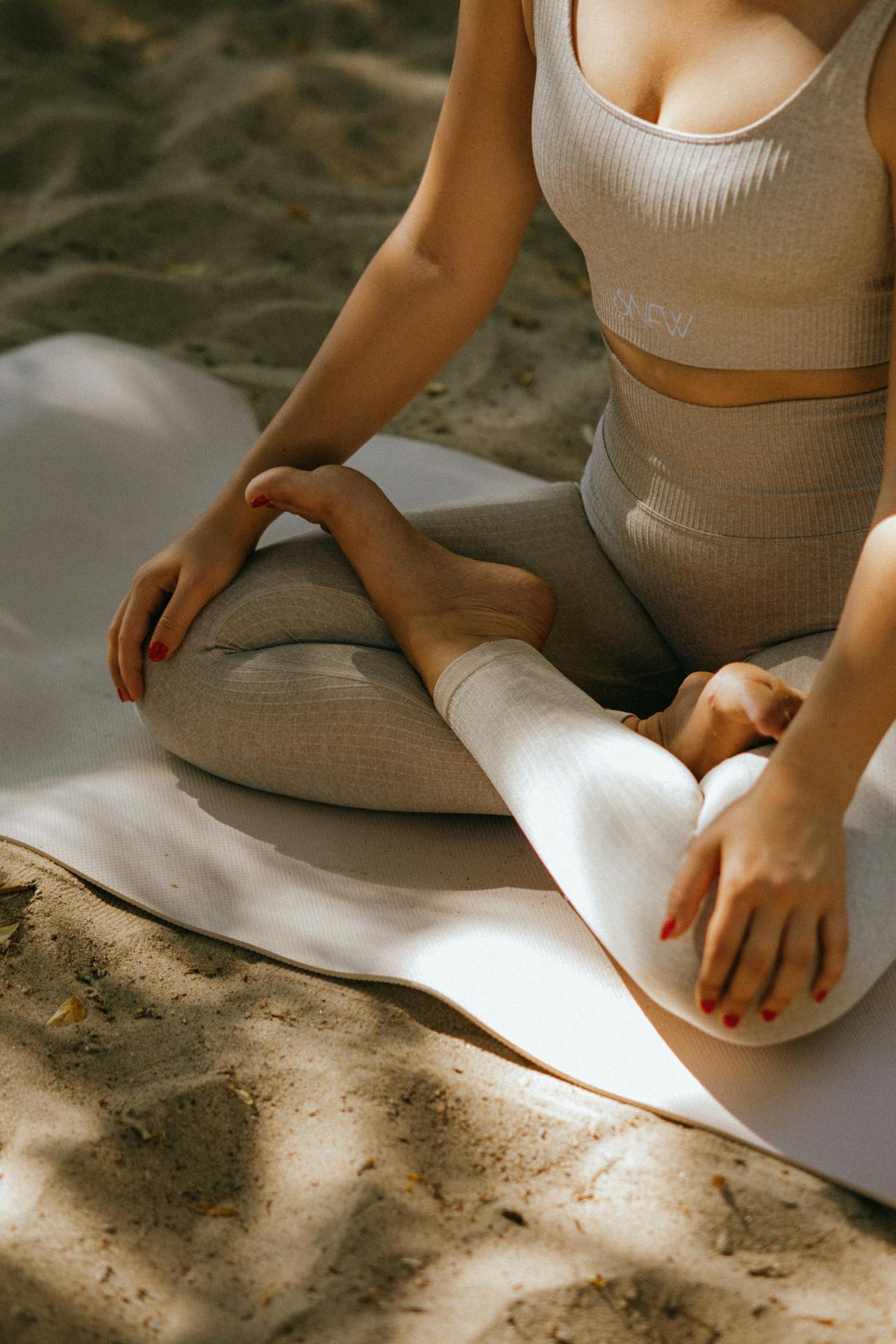
Before You Start: The Essentials
You MUST have:
- Been cleared by your GP (usually 6 weeks vaginal, 8-12 weeks c-section)
- No pain, excessive bleeding, or complications
- Started pelvic floor exercises
- Understanding of diastasis recti basics
Warning signs to STOP:
- Pain (not just muscle soreness)
- Urinary leaking
- Heaviness/pressure in pelvis
- Doming or bulging of stomach
- Bleeding increases
If any of these happen, stop and see a women’s health physiotherapist.
The stop signs aren’t just cautionary boilerplate. Leaking when you exercise, or that dragging/heavy feeling in your pelvis, are signals that your pelvic floor isn’t coping with the load. Pushing through those signals doesn’t toughen you up — it sets back your recovery. I know the instinct when you’re desperate to get back to training is to minimise symptoms, but this is genuinely not the time for that.
Weeks 1-2: Gentle Start (Post-GP Clearance)
Even though you’re “cleared,” start VERY gently.
Daily Routine (10-15 minutes)
Breathing & Core Connection (5 minutes)
- Lie on back, knees bent
- 360° breathing: inhale (belly, ribs expand), exhale (gentle belly draw)
- 10 breaths, 3 times daily
- This is your foundation
Pelvic Floor Work (5 minutes)
- 8-10 slow holds (build to 5-8 seconds each)
- 8-10 quick squeezes
- Full relaxation between each
- 3 times daily
Gentle Walking (5-15 minutes)
- Start with just 5-10 minutes
- Flat surface
- Comfortable pace
- Build gradually
Gentle Stretches (5 minutes)
- Neck rolls
- Shoulder rolls
- Cat-cow (on hands and knees)
- Child’s pose
- Gentle spinal twists
What NOT to Do Yet
❌ Running or jumping
❌ Sit-ups, crunches, planks
❌ Heavy lifting
❌ Any intense exercise
Focus: Reconnection, not intensity
This phase is humbling if you’re used to training. A few pelvic tilts and a short walk might feel like nothing, but your body has been through major physical trauma and needs the signal that you’re working with it, not against it. Resist the urge to do more. The weeks where you build properly pay off more than the weeks where you rush ahead.
Weeks 3-4: Building Foundations
Add these exercises to your daily routine:
Core Reconnection Workout (15 minutes, 3-4x per week)
1. Pelvic Tilts
- Lie on back, knees bent
- Flatten lower back to floor
- Hold 5 seconds, release
- 10-15 reps
2. Heel Slides
- Lie on back, knees bent
- Engage core gently
- Slide one heel away, straightening leg
- Keep lower back flat
- Alternate legs, 10 each
3. Bent Knee Fallouts
- Lie on back, knees bent together
- Let one knee fall out to side
- Return to center
- Keep pelvis still
- 10 each side
4. Glute Bridges
- Lie on back, knees bent
- Engage core and pelvic floor
- Lift hips to straight line
- Hold 3 seconds, lower
- 10-15 reps
5. Wall Press-Ups
- Stand facing wall
- Hands on wall, shoulder-width
- Bend elbows, lean towards wall
- Push back
- 10-12 reps
Walking Program
- Increase to 15-20 minutes daily
- Still comfortable pace
- Flat surfaces
Weeks 5-6: Adding Gentle Resistance
You’re building confidence. Keep it controlled.
Workout A: Lower Body (20 minutes, 2x per week)
Warm-up (5 mins): Walking, gentle movement
Exercises:
1. Bodyweight Squats
- Feet hip-width
- Engage core before lowering
- Squat to comfortable depth
- 12-15 reps
2. Static Lunges
- Split stance (don’t step)
- Lower back knee towards floor
- Push through front heel to rise
- 10 each leg
3. Glute Bridges (with hold)
- Same as before
- Hold at top for 5 seconds
- 12-15 reps
4. Standing Leg Lifts
- Hold wall for balance
- Lift one leg to side
- Control down
- 10 each side
5. Calf Raises
- Feet hip-width
- Rise onto toes
- Control down
- 15-20 reps
Cool down (5 mins): Gentle stretching
Workout B: Upper Body & Core (20 minutes, 2x per week)
Warm-up (5 mins)
Exercises:
1. Wall Press-Ups
- 12-15 reps
2. Seated Row (with resistance band)
- Sit with legs straight, band around feet
- Pull band to waist
- Squeeze shoulder blades
- 12-15 reps
3. Shoulder Press (with light weight or band)
- Stand or sit
- Press overhead
- Control down
- 10-12 reps
4. Bicep Curls (light weight or band)
- 12-15 reps
5. Dead Bug (Modified)
- Lie on back, knees bent 90°
- Lower one heel to tap floor
- Keep knee bent
- Alternate, 10 each side
- STOP if doming/bulging
Cool down (5 mins)
Walking
- 20-30 minutes, 4-5x per week
Weeks 7-8: Progressive Challenge
Add slightly more challenge if feeling strong.
Workout A: Lower Body Strength (25 mins, 2x per week)
Add light weights if comfortable (2-5kg):
1. Goblet Squats
- Hold weight at chest
- 12-15 reps
2. Reverse Lunges
- Step back, lower down
- Push through front heel
- 10 each leg
3. Single-Leg Glute Bridges
- One foot on floor, other leg straight
- Lift hips
- 10 each side
4. Romanian Deadlifts (light weight)
- Hinge at hips
- Slight knee bend
- Feel hamstrings stretch
- 12 reps
5. Side-Lying Leg Lifts
- Lie on side
- Lift top leg
- Control down
- 15 each side
Workout B: Upper Body & Core (25 mins, 2x per week)
1. Incline Press-Ups
- Hands on stairs/bench
- 10-15 reps
2. Bent-Over Rows (light weights)
- Hinge forward
- Pull weights to hips
- 12-15 reps
3. Overhead Press
- Standing, light weights
- Press overhead
- 10-12 reps
4. Plank (Modified)
- On knees or against wall
- Hold 15-20 seconds
- Build gradually
- STOP if any doming
5. Bird Dog
- On hands and knees
- Opposite arm and leg extend
- 10 each side
Additional Activity
- Walk 30+ minutes, 4-5x per week
- Consider gentle swim if comfortable
Weeks 9-10: Building Strength
You should be feeling noticeably stronger.
Full Body Workout A (30 mins, 2x per week)
1. Squats (with weight if available)
- 3 sets x 12 reps
2. Press-Ups (incline or full if ready)
- 3 sets x 8-12 reps
3. Lunges (alternating)
- 3 sets x 10 each leg
4. Bent-Over Rows
- 3 sets x 12 reps
5. Glute Bridges (single leg)
- 3 sets x 10 each side
6. Plank
- 3 sets x 20-30 seconds
- Stop if doming
Full Body Workout B (30 mins, 2x per week)
1. Romanian Deadlifts
- 3 sets x 12 reps
2. Shoulder Press
- 3 sets x 12 reps
3. Step-Ups (onto stairs/box)
- 3 sets x 10 each leg
4. Chest Press (on floor with weights)
- 3 sets x 12 reps
5. Pallof Press (if you have band)
- 3 sets x 10 each side
6. Dead Bug (progressing)
- 3 sets x 10 each side
Cardio
- 30-40 minute walks, 4-5x per week
- Consider very gentle cycling if comfortable
Weeks 11-12: Pre-Return to Impact
Testing readiness for more challenging activities.
Strength Workouts (3x per week, 35 minutes)
Continue progressive strength training:
- Increase weights gradually
- Focus on perfect form
- 3 sets of each exercise
- Rest 60-90 seconds between sets
Sample Circuit:
- Goblet Squats: 3 x 15
- Press-Ups: 3 x 10-12
- Romanian Deadlifts: 3 x 12
- Overhead Press: 3 x 12
- Reverse Lunges: 3 x 10 each
- Rows: 3 x 12
- Plank: 3 x 30-45 seconds
- Pallof Press: 3 x 12 each side
Return to Running Tests
Before considering running, can you:
- ✓ Single-leg balance 30 seconds each leg
- ✓ 20 single-leg calf raises each leg
- ✓ 10 single-leg squats each leg
- ✓ Walk 30 minutes with no symptoms
- ✓ 10-second pelvic floor hold, 10 times
- ✓ 10 quick, strong pelvic floor squeezes
Can’t do all these? Not ready for impact yet.
Walking/Hiking
- 45+ minutes, 4-5x per week
- Can add hills if feeling strong
- Build endurance
Modifications for C-Section
Everything above but:
Weeks 1-4:
- Extra gentle with core work
- No exercises that pull on scar
- Start 2-4 weeks later than vaginal birth timeline
Weeks 5-8:
- Still be very careful with core
- Scar massage (if fully healed)
- Progress more slowly
Weeks 9-12:
- Can match vaginal birth timeline if healing well
- But listen to your body
- C-section = major surgery, be patient
Daily Schedule Example (Week 8)
Monday:
- Morning: Pelvic floor exercises (10 mins)
- Midday: 30-minute walk with baby
- Evening: Lower Body Workout A (25 mins)
Tuesday:
- Morning: Pelvic floor exercises
- Midday: 20-minute walk
- Evening: Stretching and core breathing (15 mins)
Wednesday:
- Morning: Pelvic floor exercises
- Midday: Upper Body Workout B (25 mins)
- Evening: 20-minute gentle walk
Thursday:
- Morning: Pelvic floor exercises
- Midday: 30-minute walk
- Rest from formal exercise
Friday:
- Morning: Pelvic floor exercises
- Evening: Lower Body Workout A (25 mins)
Saturday:
- Morning: Pelvic floor exercises
- Midday: 40-minute walk or gentle activity
Sunday:
- Rest day (gentle stretching only)
- Pelvic floor exercises
Equipment You Need
Essential:
- Comfortable shoes
- Supportive sports bra
- Yoga mat
Helpful:
- Light dumbbells (2-5kg to start)
- Resistance bands
- Access to stairs/bench
- Baby carrier for walks
Don’t need:
- Gym membership
- Expensive equipment
- Fancy workout clothes
Progress Tracking
Track weekly:
- Energy levels (1-10)
- How exercises felt
- Any symptoms (pain, leaking, etc.)
- Mood
- Sleep quality (when baby allows!)
Celebrate improvements:
- Exercises feeling easier
- Able to hold pelvic floor longer
- Completing full workouts
- Feeling stronger
- Better posture
- No symptoms during exercise
When to Progress Faster or Slower
Progress faster if:
- You were very fit pre-pregnancy
- Uncomplicated birth
- Healing really well
- No symptoms at all
- Exercises feel too easy
Progress slower if:
- Had complications
- Any symptoms
- Very tired (normal with baby!)
- Exercises feel hard
- Need more recovery time
Your timeline is YOUR timeline. Don’t compare to others.
After Week 12: What Next?
If all going well:
- Continue building strength (heavier weights)
- Consider return to running (if passed tests)
- Try other activities (cycling, swimming, classes)
- Keep up pelvic floor work forever!
If still struggling:
- See women’s health physiotherapist
- Continue foundation work
- Be patient
- Progress will come
The Bottom Line
This 12-week plan takes you from immediate postpartum to being ready for more challenging exercise.
Key points:
- Start very gently
- Build gradually
- Listen to your body
- Stop if symptoms
- Pelvic floor work daily
- Be patient with yourself
You’re not just recovering, you’re rebuilding from the ground up. Take your time. Do it properly. Your body will thank you.
If you’re following this plan and finding it too easy, that’s a good sign — but check your pelvic floor is symptom-free before you progress, not just that the exercises feel manageable. The limiting factor in postpartum recovery isn’t always muscular strength.
Drop a comment if you’ve found something in this plan that’s worked particularly well, or if you’d like me to cover anything in more detail.