
Right, let’s talk about something that makes everyone squirm: your pelvic floor. That group of muscles you probably never thought about until you got pregnant, and now you’re supposed to “do your Kegels” without anyone properly explaining what that actually means.
Here’s what you need to know: EVERY woman needs pelvic floor rehab after having a baby. Not just women who leak or have problems. Everyone. Whether you had a vaginal birth or c-section, whether you pushed for 10 minutes or 3 hours, your pelvic floor has been affected by pregnancy and needs recovery work.
And no, “just do your pelvic floor exercises” isn’t enough guidance. Some women actually need to learn to RELAX their pelvic floor, not strengthen it. Doing the wrong exercises can make problems worse.
So let’s talk honestly about what your pelvic floor actually does, what happened to it during pregnancy and birth, and how to properly rehabilitate it.
Note: I’m not a doctor or physiotherapist. This post is based on research and my own experience. For any pelvic floor symptoms, please see a women’s health physiotherapist — they’re the only people who can actually assess your individual situation.
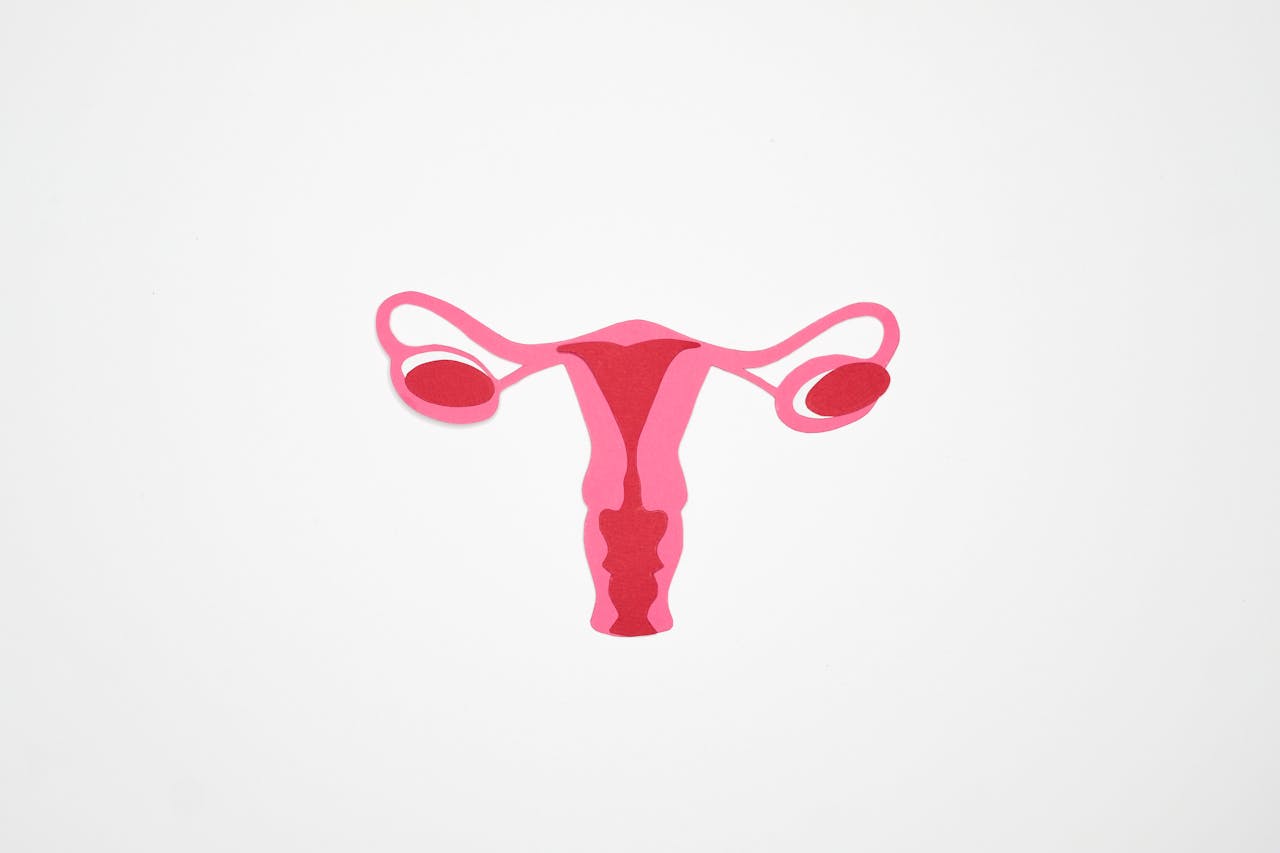
What Is Your Pelvic Floor?
Your pelvic floor is a hammock of muscles and connective tissue that sits at the bottom of your pelvis, stretching from your pubic bone at the front to your tailbone at the back.
What it does:
- Supports your organs (bladder, bowel, uterus)
- Controls bladder and bowel function
- Sexual function and sensation
- Core stability (works with abs and back)
- Helps with posture
It’s not just one muscle – it’s multiple layers working together. Think of it like a trampoline, not a rigid floor.
What Pregnancy Does to Your Pelvic Floor
Even if you had a planned c-section and never went into labour:
During pregnancy:
- Extra weight pushing down (9-12kg+ by end)
- Hormones relaxing and softening tissues
- Growing baby pressing on bladder
- Posture changes affecting pelvic floor function
- 40 weeks of increasing load
By the time you give birth, your pelvic floor has been working overtime for months. It’s stretched, tired, and weakened.
What Birth Does to Your Pelvic Floor
Vaginal Birth
What happens:
- Muscles stretch to 2-3 times their normal length
- Nerves can be stretched or compressed
- Possible tearing (1st-4th degree)
- Possible use of forceps/ventouse (more trauma)
- Swelling and bruising
- Everything’s been through a lot
This is normal! Your pelvic floor is designed to do this. But it needs proper recovery afterwards.
C-Section
“But I had a c-section, my pelvic floor is fine!”
Not quite. Pregnancy itself affects your pelvic floor, remember?
What you still have:
- 40 weeks of pregnancy load
- Hormonal effects on tissues
- Posture changes
- If you laboured first: contractions affecting pelvic floor
You still need pelvic floor rehab, just maybe a slightly different timeline.
This surprised me when I first read about it. I had assumed the pelvic floor was primarily a concern for vaginal births — that c-sections were the ‘easier’ option from a physical recovery perspective. But pregnancy itself does the heavy lifting in terms of pelvic floor loading. Nine months of increasing pressure changes things regardless of how the birth happens.
Common Pelvic Floor Problems
These affect WAY more women than anyone admits:
Urinary Leaking (Stress Incontinence)
What it is: Leaking wee when you cough, sneeze, laugh, jump, run, or lift
How common: About 1 in 3 women who’ve had babies
Is it normal? Common, yes. Normal, no. Can be improved.
Urgency/Frequency
What it is: Needing to wee all the time, or suddenly and urgently
How common: Very common postpartum
Why: Bladder got used to baby pressing on it, pelvic floor not supporting properly
Pelvic Organ Prolapse
What it is: One or more pelvic organs (bladder, bowel, uterus) drop down into vagina
Feels like: Heaviness, dragging, bulge, pressure
How common: Very common (possibly 50%+ of women who’ve had babies have some degree)
Ranges from: Mild (barely noticeable) to severe (affecting daily life)
Pain During Sex
What it is: Pain, discomfort, or just feeling different
Causes: Scar tissue, tight muscles, dryness (breastfeeding), psychological factors
Can improve: Yes, with proper treatment
Bowel Issues
What it is: Difficulty controlling wind, urgency, or accidentally leaking poo
More common: After significant tearing or forceps/ventouse
Needs addressing: Don’t suffer in silence
The number of women who quietly manage pelvic floor symptoms for years — or decades — because they’re embarrassed or because they assume it’s just part of having had a baby is genuinely significant. Please don’t do that. Women’s health physiotherapists deal with exactly this, all day, and they’re not judgmental about it. The NHS waiting list can be long, but if you can access private care (typically £60-100 for an initial appointment), it’s one of the more worthwhile things you can spend on your health.
Signs Your Pelvic Floor Needs Help
See a women’s health physiotherapist if you have:
- ANY leaking (even “just a bit”)
- Feeling of heaviness or bulge
- Difficulty holding wee
- Needing to wee constantly
- Pain during sex
- Feeling like you can’t fully empty bladder
- Difficulty controlling wind
- Lower back pain
- Unable to feel or control pelvic floor muscles
Don’t wait! These things don’t just “go away” by themselves.
Pelvic Floor Exercises: More Than Just Kegels
First: Can You Find Your Pelvic Floor?
The test:
- Sit or lie comfortably
- Try to stop the flow of wee (don’t actually do this during weeing!)
- Those are your pelvic floor muscles
- Or: try to stop passing wind
- Or: imagine picking up a blueberry with your vagina
You should feel:
- A lift and squeeze sensation
- Like everything’s drawing up and in
- Nothing happening in your bum, thighs, or belly (these shouldn’t tense)
Can’t feel it? This is really common postpartum. A physio can help.
The Basic Pelvic Floor Exercise
How to do it:
- Find comfortable position (lying, sitting, standing)
- Breathe normally (don’t hold breath)
- Squeeze and lift pelvic floor muscles
- Hold for 3-10 seconds (as long as you can maintain good lift)
- Fully relax for double the time you squeezed
- Repeat 8-12 times
- Do 3 times per day
The relaxation is as important as the squeeze. Don’t skip it.
But It’s Not Just About Squeezing
Two types of muscle fibers:
Slow-twitch (endurance):
- Long, gentle holds (10 seconds)
- For maintaining continence all day
Fast-twitch (power):
- Quick, strong squeezes (1 second)
- For when you cough, sneeze, laugh
You need to train both:
- 8-12 slow holds (build to 10 seconds each)
- 8-12 quick squeezes
- 3 times daily
When Your Pelvic Floor Is TOO Tight
Yes, this is a thing.
Signs:
- Pain during sex
- Difficulty using tampons
- Pelvic pain
- Feeling like you can’t fully relax
- Difficulty weeing or pooing
What you need: RELAXATION, not strengthening
A physio can:
- Assess muscle tone
- Teach release techniques
- Massage therapy
- Breathing exercises
Don’t just keep squeezing if you’re already too tight!
The Recovery Timeline
Weeks 0-2: Very Early Days
What to do:
- Just awareness (don’t do exercises yet if you’ve had stitches)
- Think about your pelvic floor
- Imagine it healing
If you had bad tearing: Wait for complete healing before starting exercises
Weeks 2-6: Starting Gentle Work
If comfortable:
- Begin very gentle pelvic floor lifts
- 3-5 second holds
- Just a few reps
- Stop if any pain
Focus on:
- Fully relaxing between squeezes
- Not straining
- Quality over quantity
Week 6+: After GP Check
Ramp up the work:
- Full pelvic floor exercise programme
- Building hold time (to 10 seconds)
- Adding quick squeezes
- 3 times daily
- Every single day
Months 3-6: Building Strength
Should be seeing:
- Better bladder control
- Stronger sensation of lift
- Able to hold longer
- Able to squeeze harder
If not improving: See a physio
6+ Months: Ongoing Maintenance
Even when “better”:
- Continue pelvic floor exercises forever
- It’s like brushing teeth
- Maintains function
- Prevents future problems
The Functional Approach
Pelvic floor exercises aren’t enough on their own. You need to integrate them into real life.
Practice during daily activities:
Before you:
- Cough or sneeze (the “knack” – squeeze just before)
- Lift anything heavy
- Get up from sitting
- Pick up baby
This teaches your pelvic floor to work automatically when you need it.
Posture and Your Pelvic Floor
Your posture massively affects pelvic floor function.
Poor posture:
- Slouching or tucking pelvis under
- Puts pelvic floor in weakened position
- Makes it work harder
- Can cause problems
Good posture:
- Neutral spine
- Ribs over pelvis
- Weight evenly distributed
- Allows pelvic floor to function optimally
When feeding baby:
- Bring baby to breast, don’t hunch over
- Support your back
- Use pillows
- Check posture regularly
Breathing and Your Pelvic Floor
Your pelvic floor and diaphragm work together.
Good breathing:
- 360° breath (belly, ribs, back expand)
- On exhale, gentle pelvic floor lift
- Coordinate movement
Poor breathing:
- Chest breathing only
- Holding breath
- Bearing down
Practice:
- Breathe normally during exercises
- Never hold breath
- Exhale during effort (lifting, etc.)
When to See a Specialist
Everyone would benefit from seeing a women’s health physiotherapist postpartum, but it’s essential if you have:
- Any leaking at all
- Pain
- Heaviness or bulging
- Not sure if you’re doing exercises right
- No improvement after 8 weeks of proper exercises
- Want to return to high-impact sport
- Just want proper assessment (smart!)
What they do:
- Internal examination (if you consent)
- Assess muscle strength and tone
- Check for prolapse
- Give personalized programme
- Manual therapy if needed
- Clear progression plan
It’s not embarrassing. They do this all day, every day.
Pelvic Floor Myths
Myth: “Leaking is normal after babies”
Common? Yes. Something you should accept? No. Can be improved.
Myth: “Just do your Kegels”
It’s not that simple. You might be doing them wrong, or need different work.
Myth: “C-section means no pelvic floor problems”
Pregnancy itself affects your pelvic floor. You still need rehab.
Myth: “If I don’t have problems now, I won’t later”
Problems can develop years later, especially around menopause. Prevention is key.
Myth: “I need surgery”
Most women improve significantly with proper exercises and physio. Surgery is rarely first line.
Myth: “Men don’t have pelvic floor issues”
They do, but we’re focusing on postpartum here!
Returning to Exercise Safely
Before you return to running/jumping/HIIT:
Check you can:
- Do a single-leg balance for 30 seconds
- Do 20 single-leg calf raises
- Do 10 single-leg squats (controlled, no pain)
- Walk 30 minutes with no symptoms
- Hold pelvic floor contraction for 10 seconds, 10 times
- Perform 10 quick, strong pelvic floor squeezes
If you can’t do these, you’re not ready for impact activities yet.
Start gradually:
- Walk/run intervals
- Flat surfaces first
- Build very slowly
- Stop if any symptoms
Your Questions Answered
“I leak when I exercise – should I stop?”
Don’t push through leaking. See a physio. You need specific work before impact activities.
“How do I know if I’m doing exercises right?”
A physio can check. Or use a mirror – you should see vaginal area lift slightly, nothing bulging downward.
“When can I use tampons again?”
After bleeding has completely stopped and you feel comfortable. Usually 6+ weeks.
“Will my sex life ever be normal?”
Yes! It takes time. Dryness while breastfeeding is normal. Pain needs addressing. Be patient.
“Can I exercise during my period postpartum?”
Yes, if you feel up to it. Listen to your body.
The Bottom Line
Your pelvic floor has been through a lot. It needs – and deserves – proper rehabilitation.
Every new mum should:
- Start pelvic floor exercises postpartum (when comfortable)
- Do them daily, forever
- Practice the “knack” before coughing, lifting, etc.
- Check posture and breathing
- See a women’s health physio (ideally)
Don’t:
- Ignore symptoms
- Push through leaking
- Think it’s “just normal”
- Be embarrassed to get help
Remember:
- Most problems can improve significantly
- It takes time (months, not weeks)
- Consistency is key
- It’s never too late to start
Your pelvic floor is crucial for quality of life. Give it the attention it needs.
The conversation around pelvic floor health is getting better — there’s more awareness now than there was even five years ago — but the gap between ‘awareness’ and women actually getting proper assessment and help is still large. If reading this has made you realise you have symptoms you’ve been ignoring, that’s useful information. Please act on it.
Drop a comment if there’s anything here you’d like me to go into more depth on.