
Let’s talk about something that’s often completely glossed over: getting back to exercise after having a baby. Because the advice out there ranges from “bounce back in 6 weeks!” (unrealistic and harmful) to “just rest forever” (also not helpful).
The truth? Your body has just done something incredible. It grew and birthed a human being. And yes, you can absolutely get back to exercise and feel strong again – but it needs to be done properly, at your own pace, and with realistic expectations.
I’m not going to show you some miraculous “get your body back” programme (you never lost your body, you just grew a person in it). Instead, I’m going to give you honest, evidence-based advice about recovering after pregnancy, when it’s safe to start exercising, and how to rebuild your strength without injuring yourself.
Whether you had a vaginal birth or c-section, whether it’s been 6 weeks or 6 months, this is your complete guide to postpartum fitness.
A note: I’m not a doctor, midwife, or physiotherapist. This post is based on my own experience, research, and conversations with health professionals over the years. For medical questions about your specific recovery, please speak to your GP or a women’s health physiotherapist — they’re the people who can actually assess your individual situation.
Updated June 2026
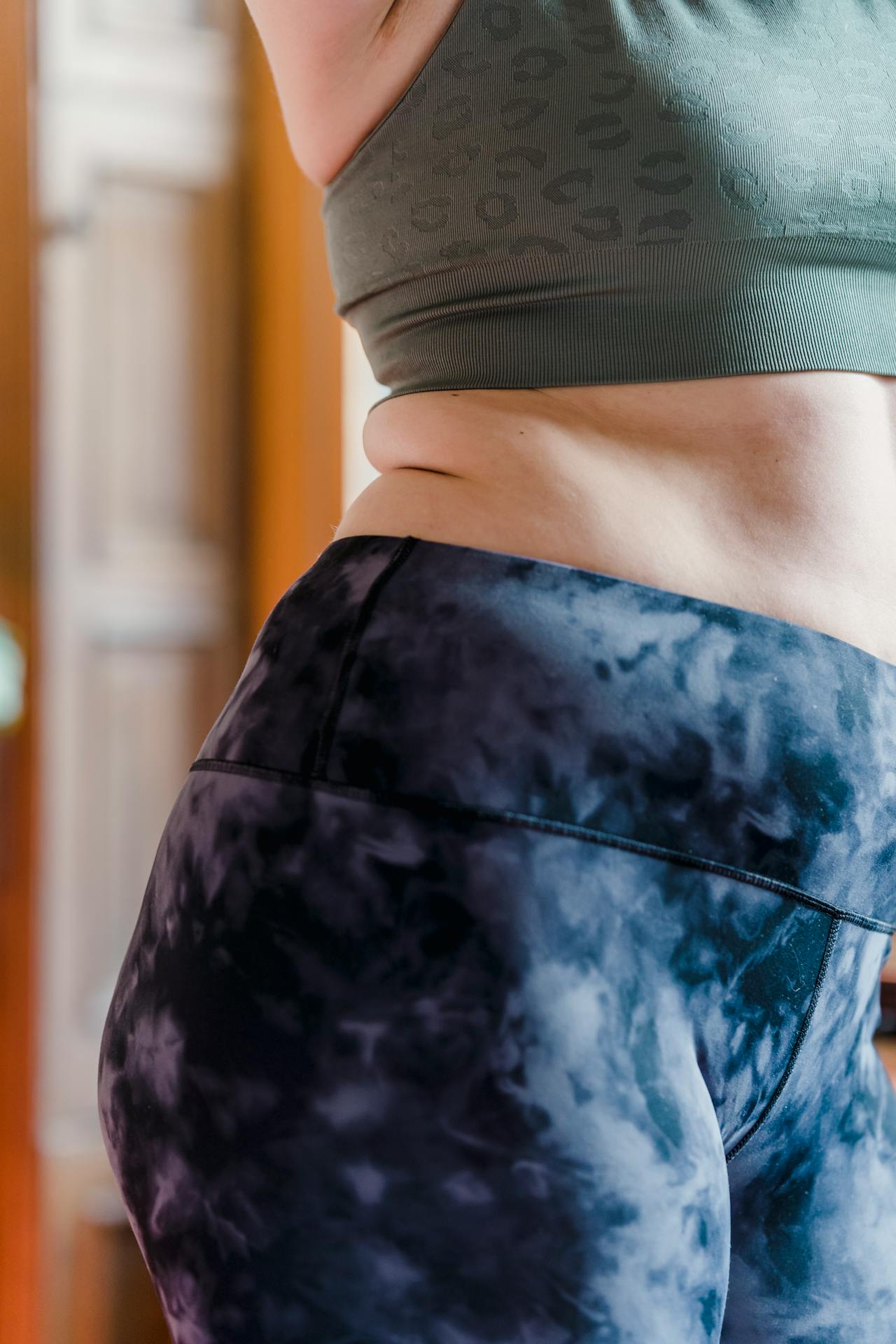
The Honest Truth About Postpartum Recovery
What nobody tells you:
Your body needs TIME to heal. Proper time. Not Instagram influencer “I’m back in the gym at 3 weeks postpartum!” time. Real, actual healing time.
What’s actually happening in your body:
- Your abdominal muscles have stretched and separated (diastasis recti affects most women)
- Your pelvic floor has been through trauma (regardless of birth type)
- Your joints are still affected by relaxin (the hormone that loosened everything for birth)
- Your core strength is basically non-existent
- You’re exhausted, possibly in pain, definitely sleep-deprived
- Your body is still producing different hormones if breastfeeding
This is all NORMAL. You’re not broken, you’re not weak, you’re just postpartum.
I found this genuinely difficult to accept. I was used to training consistently and I had ideas about how quickly I’d get back to it. What I didn’t expect was how much the exhaustion and the complete unpredictability of life with a new baby would change my relationship with exercise — and how long it would take before I felt like myself again in that regard. The reality was much slower than I expected, and I think a lot of women feel unprepared for that.
When Can You Actually Start Exercising?
This depends entirely on your birth experience and recovery.
After Vaginal Birth (No Complications)
Week 0-2: Rest. Gentle walking only. Focus on recovery.
Week 2-6: Gentle walking gradually increasing. Pelvic floor exercises (if comfortable). Gentle stretching.
Week 6+: After your 6-week check and GP clearance, can slowly start rebuilding. But “cleared to exercise” doesn’t mean “ready to exercise.”
After C-Section
Week 0-2: Rest. Very gentle walking around the house. No lifting anything heavier than baby.
Week 2-6: Gentle walking. No abdominal work. Pelvic floor exercises (yes, even after c-section!).
Week 6-12: After clearance, very gradual return. Your abdominal muscles were cut through – they need serious healing time.
Week 12+: Can start proper rebuilding (with modifications).
After Complications
Tearing (3rd/4th degree), forceps/ventouse, emergency c-section, haemorrhage, or other complications?
You need individual guidance from a women’s health physiotherapist. Don’t follow generic advice. Get assessed properly.
Essential reading: When Can You Start Exercising After Giving Birth?
The Foundations: What to Focus on First
Before you even think about “getting back to your pre-pregnancy fitness,” you need to rebuild the foundations.
1. Pelvic Floor Recovery
Why it matters:
- Supports your organs
- Controls bladder and bowel
- Sexual function
- Core stability
What you need to know:
- EVERY woman needs pelvic floor rehab postpartum (not just those with issues)
- “Just do Kegels” isn’t always the answer
- Some women need to learn to RELAX their pelvic floor, not strengthen it
- Get assessed by a physio
Complete guide: Pelvic Floor Recovery: Why It Matters for Every New Mum
2. Diastasis Recti (Abdominal Separation)
What it is: Your abdominal muscles separate during pregnancy to make room for baby. This is normal. But they need to come back together properly postpartum.
Why it matters:
- Affects core strength
- Can cause back pain
- Affects posture
- Needs specific exercises (regular ab work can make it worse!)
How to check: Lie on your back, knees bent. Lift head slightly. Feel above, at, and below belly button. Gaps wider than 2 fingers need attention.
Detailed guide: Diastasis Recti: Exercises That Help (And What to Avoid)
3. Core Reconnection
Your core isn’t just abs – it’s:
- Pelvic floor
- Deep abdominals (transverse abdominis)
- Diaphragm
- Deep back muscles
All of these need to work together again. This is your FIRST priority before any other exercise.
Your Postpartum Exercise Timeline
Weeks 0-6: Early Recovery
What you CAN do:
- Gentle walking (start with 5-10 minutes)
- Pelvic floor exercises (if comfortable)
- Gentle breathing exercises
- Gentle stretching
- Holding and feeding baby (counts as exercise!)
What to AVOID:
- Running or jumping
- Heavy lifting (nothing heavier than baby)
- Sit-ups, crunches, planks
- Any exercise that causes pain, heaviness, or leaking
Your focus: Healing, bonding with baby, surviving on no sleep.
This bit is genuinely hard if you’re someone who uses exercise to manage stress and mental health — and I am. Those first weeks when you physically can’t do much but you’re also exhausted and emotionally all over the place are genuinely difficult. Walking helped. Getting outside, even briefly, helped. That was enough for a while.
Weeks 6-12: Gradual Rebuild
After GP clearance:
- Increase walking duration
- Start pelvic floor rehab properly
- Gentle core reconnection work
- Light resistance work (bands)
- Focus on posture
- Gentle yoga or pilates (postpartum-specific)
Still avoiding:
- Running
- Heavy weights
- Sit-ups and crunches
- High-impact exercise
- Anything that causes symptoms (pain, leaking, pressure)
Your focus: Rebuilding foundations properly.
Structured programme: Postpartum Workout Plan: Weeks 1-12
Months 3-6: Building Strength
If foundations are solid:
- Progress resistance training
- Consider running (if passed return-to-running tests)
- More challenging core work
- Heavier weights (gradually)
- Increase intensity carefully
Still being careful with:
- High-impact exercise
- Heavy lifting
- Anything causing symptoms
Your focus: Getting stronger, building confidence.
6 Months+: Progressing Further
If everything’s going well:
- Most exercise types are possible
- Can train more intensely
- Return to previous activities (if desired)
But remember:
- You might never return to exactly how you were before (and that’s okay)
- Breastfeeding affects things
- Sleep deprivation affects recovery
- Life with a baby is different
Exercise with a Baby
The reality: You can’t always make it to the gym. You’re exhausted. Baby might be crying. You’ve got 15 minutes max.
What actually works:
Baby-wearing workouts:
- Walking
- Squats (extra weight!)
- Lunges
- Gentle step-ups
Floor time together:
- Baby on mat beside you
- They watch/play while you exercise
- 10-15 minute sessions
- Make it playtime for them
Nap time workouts:
- Have everything ready
- Quick 20-minute sessions
- Follow videos (no thinking required)
- Accept interruptions
Pram workouts:
- Walking (obviously)
- Pram fitness classes
- Outdoor bodyweight exercises
- Getting out of the house helps mentally too
Warning Signs to Stop
Stop exercising immediately if you experience:
- Pain (not just muscle soreness)
- Urinary leaking
- Feeling of heaviness or dragging in pelvis
- Bleeding (new or increased)
- Dizziness or feeling faint
- Separation or bulging along midline of stomach
- Severe fatigue (beyond normal tiredness)
See a women’s health physio if:
- Any of the above symptoms
- Uncertainty about diastasis recti
- Pain during sex
- Bowel or bladder issues
- Just to check everything’s healing properly (smart idea for everyone)
Breastfeeding and Exercise
Yes, you can exercise while breastfeeding.
Things to know:
Hydration: Crucial. Drink loads of water.
Sports bra: Invest in a good supportive nursing sports bra. Your breasts are bigger and heavier.
Timing: Feed baby or pump before workouts for comfort.
Intensity: Very high-intensity exercise might slightly affect milk taste temporarily (baby might refuse – rare though).
Calories: You need extra calories for breastfeeding. Don’t restrict.
Supply: Moderate exercise doesn’t affect milk supply. Extreme exercise/dieting might.
Complete guide: Breastfeeding and Exercise: What You Need to Know
Running After Pregnancy
Don’t just start running at 6 weeks because your GP “cleared” you.
Running is HIGH impact. Your pelvic floor might not be ready.
Before you return to running:
- Wait at least 12 weeks postpartum (many experts say 16+ weeks)
- Be able to walk 30 minutes comfortably
- No pain, leaking, or heaviness during daily activities
- Pass the return-to-running tests
- Consider assessment by women’s health physio
Return-to-running tests:
- Single leg balance (30 seconds each leg)
- Single leg calf raise (20+ each leg)
- Single leg squat (10+ each leg, controlled)
- Forward bounding (no pain or leaking)
- 30-minute brisk walk (no symptoms)
Can’t do these? Not ready to run yet.
Safe return guide: Postpartum Running: How to Return Safely
Real Postpartum Bodies
What social media shows: Flat stomachs at 4 weeks postpartum, “bounce back” transformations, gym selfies with perfect makeup.
What’s real:
- Soft tummy that takes MONTHS to change (if it changes at all)
- Loose skin
- Stretch marks
- Different shape
- Changed breasts
- C-section scar
- All of this is NORMAL
Timeline reality:
6 weeks: Still look pregnant (normal!)
3 months: Starting to feel more like yourself
6 months: Noticing changes if exercising
9-12 months: Getting stronger, body settling
12+ months: Body composition changes more visible
But everyone is different. Some women see changes faster, some slower. It doesn’t mean you’re doing anything wrong.
Reality check: Real Postpartum Bodies: 6 Weeks vs 6 Months vs 1 Year
Common Postpartum Exercise Mistakes
Starting too soon: “Cleared at 6 weeks” doesn’t mean ready to jump back into intense exercise.
Doing sit-ups and crunches: Can worsen diastasis recti. Do core reconnection work first.
Ignoring pelvic floor: “I don’t leak so I’m fine” – but prevention is better than problems later.
Comparing to others: Someone else’s 12-week postpartum isn’t your 12-week postpartum.
Doing what you did before pregnancy: Your body is different now. Adjust accordingly.
Not getting assessed: Women’s health physio assessment is so valuable.
Skipping warm-ups: Your joints are still affected by hormones.
Extreme calorie restriction: Especially if breastfeeding. Your body needs fuel.
The body image pressure in the postpartum period is real and it’s worth naming. Social media has a lot to answer for in how it portrays postpartum bodies and timelines. None of that is real life. The most useful thing I can tell you is: your body is doing something extraordinary during this period, and restricting your eating while sleep-deprived and possibly breastfeeding is genuinely not good for you — physically or mentally.
Mental Health and Exercise
The mental side matters hugely:
Exercise can help with:
- Postpartum anxiety
- Low mood
- Sleep quality (when you can sleep!)
- Feeling like yourself again
- Sense of achievement
- Social connection (if classes/groups)
But be careful of:
- Exercise becoming obsessive
- “Must get body back” pressure
- Comparing to pre-baby fitness
- Overtraining when exhausted
- Exercise as punishment for eating
Exercise should feel good, not like punishment. If it’s making you more stressed or anxious, reassess.
Equipment for Postpartum Exercise
What you actually need:
Essential:
- Good supportive shoes
- Supportive sports bra (nursing if breastfeeding)
- Resistance bands (£15-20)
- Comfortable clothes
- Yoga mat
Nice to have:
- Pram for walking
- Light dumbbells (3-5kg)
- Exercise ball
- Postpartum-specific workout videos/apps
Don’t need:
- Expensive gym membership (not until you’re ready)
- Fancy equipment
- Loads of workout clothes
Finding Support
Postpartum fitness classes:
- Buggy fitness groups
- Mum and baby yoga
- Postpartum-specific classes
- Check instructor is postpartum qualified
Online resources:
- The Mutu System
- ReCORE Fitness (UK-based)
- Postpartum Trainer app
- NHS postpartum exercises
Professional help:
- Women’s health physiotherapist (highly recommended)
- Postpartum personal trainer
- Osteopath or chiropractor (if pain issues)
Community:
- Local mum groups
- Online postpartum fitness groups
- Mumsnet
- Instagram postpartum fitness accounts (the realistic ones, not “bounce back” ones)
Your Questions Answered
“When will my stomach go flat?”
Maybe never, maybe eventually. It depends on so many factors. Focus on getting STRONG, not just looking a certain way.
“I’m leaking when I exercise – is this normal?”
Common? Yes. Normal? No. See a women’s health physio. This can be fixed.
“Can I do [specific exercise]?”
Depends on your recovery. General rule: if it causes pain, leaking, pressure, or bulging – stop and get assessed.
“How do I find time?”
Short bursts. Baby naps. Involve baby. Lower expectations. 15 minutes counts.
“I’m so tired, should I skip exercise?”
Rest is part of recovery. If you’re completely exhausted, rest. Gentle movement can help energy, but don’t push through exhaustion.
The Bottom Line
Getting back to exercise after pregnancy isn’t about “bouncing back” or “getting your body back.” It’s about:
- Healing properly
- Rebuilding strength from the foundations up
- Respecting what your body just did
- Being patient with the process
- Moving in ways that feel good
- Getting stronger gradually
- Finding what works with a baby
There’s no rush. Your body took 9 months to grow a baby. Give it at least that to recover properly.
Start with pelvic floor and core foundations. Progress gradually. Listen to your body. Get assessed by a professional. And remember – you’re doing brilliantly, even on the days when it doesn’t feel like it.
Ready to Start?
Explore the complete guides:
Getting Started:
- When Can You Start Exercising After Giving Birth?
- Postpartum Workout Plan: Weeks 1-12
- Exercise with a Baby: Practical Tips for Exhausted Mums
Foundations:
- Pelvic Floor Recovery: Why It Matters for Every New Mum
- Diastasis Recti: Exercises That Help (And What to Avoid)
Your body grew a person. That takes nine months. Give your recovery at least the same patience you gave your pregnancy — and probably more. The foundations — pelvic floor, core reconnection, gradual loading — aren’t boring prerequisites to get through. They’re the reason you’ll be able to train properly for decades without the problems that come from rushing.
If I could tell my postpartum self one thing, it would be: the timeline you thought you’d follow is probably wrong, and that’s completely fine.