
Right, let’s talk about the most important thing in strength training: FORM. Not how much weight you lift. Not how many reps you can do. But whether you’re doing the movement correctly.
Bad form = injury and wasted effort. Good form = results and staying healthy.
These are the 5 essential compound lifts that form the foundation of any good strength programme. Master these and you’ve got everything you need. I’m going to break down exactly how to do each one properly, common mistakes to avoid, and how to know if you’re doing it right.
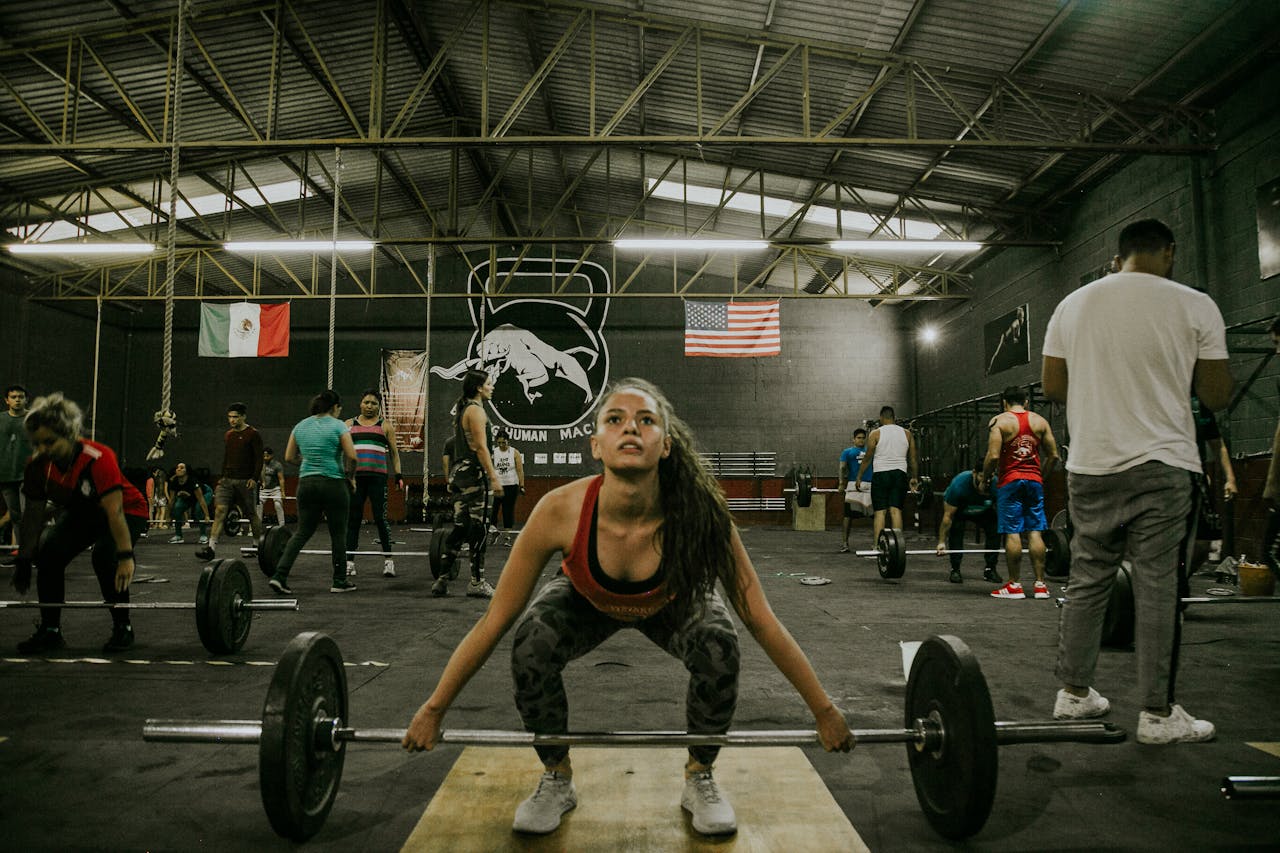
Why Form Matters More Than Weight
Lifting heavy with bad form:
- Injury risk (immediate or over time)
- Wrong muscles working
- Limited results
- Bad habits forming
Lifting lighter with perfect form:
- Safe and sustainable
- Right muscles working
- Better results
- Good habits forming
Always prioritise form over ego. Leave your ego at the door.
1. The Squat
What it works: Quads, glutes, hamstrings, core
Why it’s essential: Best lower body exercise, functional movement
Setup
Starting position:
- Bar on upper traps (not neck!)
- Feet shoulder-width or slightly wider
- Toes slightly pointed out (10-30°)
- Grip bar just outside shoulders
- Chest up, core engaged
The Movement
Descent:
- Break at hips and knees simultaneously
- Sit back like sitting in chair
- Knees track over toes (don’t cave in)
- Keep chest up, back neutral
- Descend until thighs parallel or below
- Weight in mid-foot, heels down
Ascent:
- Drive through heels
- Push hips forward
- Keep chest up
- Squeeze glutes at top
- Don’t lock knees completely
Common Mistakes
❌ Knees caving inward ✓ Push knees out, engage glutes
❌ Heels lifting ✓ Weight in mid-foot to heels
❌ Rounding lower back ✓ Keep neutral spine, chest up
❌ Looking up or down ✓ Neutral neck, eyes forward/slightly down
❌ Not going deep enough ✓ At least parallel (unless mobility issues)
❌ Bar too low on neck ✓ Rest on upper traps/shoulders
Form Checks
Good squat:
- Chest stays up
- Back stays neutral
- Knees track over toes
- Heels stay down
- Controlled descent and ascent
- Full depth (thighs at least parallel)
Film yourself from the side – easiest way to check form.
2. The Deadlift
What it works: Posterior chain (back, glutes, hamstrings), core
Why it’s essential: Best overall strength exercise, total body
Setup
Starting position:
- Feet hip-width apart
- Bar over mid-foot (close to shins)
- Bend down and grip bar just outside legs
- Hips higher than knees, lower than shoulders
- Chest up, shoulders slightly in front of bar
- Back flat (neutral spine)
- Core braced
The Movement
Lift:
- Take slack out of bar (create tension)
- Drive through heels
- Push floor away
- Bar stays close to body (drags up shins)
- Hips and shoulders rise together
- Stand tall, squeeze glutes
- Don’t lean back at top
Lower:
- Hip hinge first
- Bar stays close to body
- Once past knees, bend knees
- Controlled descent
- Reset position for next rep
Common Mistakes
❌ Rounding back ✓ Neutral spine, chest up, engage lats
❌ Bar drifts away from body ✓ Keep bar close, imagine dragging up legs
❌ Jerking the weight ✓ Smooth pull, remove slack first
❌ Hyperextending at top ✓ Stand tall, don’t lean back excessively
❌ Squat-style deadlift (hips too low) ✓ Hips higher than knees
❌ Lifting with arms ✓ Arms are ropes, pull with legs and back
Form Checks
Good deadlift:
- Back stays flat throughout
- Bar path is vertical and close to body
- Hips and shoulders rise together
- No jerking or hitching
- Controlled lowering
This is the most technical lift. Start light, master form, then add weight.
3. The Bench Press
What it works: Chest, shoulders, triceps
Why it’s essential: Best upper body pressing movement
Setup
Starting position:
- Lie on bench, eyes under bar
- Feet flat on floor
- Grip bar slightly wider than shoulders
- Wrists straight (not bent back)
- Squeeze shoulder blades together
- Slight arch in lower back (natural)
- Unrack bar, position over chest
The Movement
Descent:
- Lower bar to chest (nipple line area)
- Elbows at 45° angle (not flared out 90°)
- Control the weight
- Bar touches chest gently
- Maintain shoulder blade squeeze
Press:
- Drive feet into floor
- Press bar up and slightly back
- Bar finishes over shoulders
- Don’t bounce off chest
- Don’t lift bum off bench
Common Mistakes
❌ Elbows flared out 90° ✓ Keep elbows at 45° to reduce shoulder strain
❌ Bouncing off chest ✓ Touch gently, controlled
❌ Bum lifts off bench ✓ Keep bum down, slight arch is fine
❌ Wrists bent back ✓ Keep wrists straight, bar over forearm
❌ Not touching chest ✓ Full range of motion (unless injury)
❌ No spotter with heavy weight ✓ Use safety bars or ask for spotter
Form Checks
Good bench press:
- Controlled descent
- Bar touches chest
- Elbows at 45°
- Shoulder blades squeezed
- Bar path slightly diagonal (down to chest, up to shoulders)
- Stable throughout
4. The Overhead Press
What it works: Shoulders, triceps, core
Why it’s essential: Best shoulder exercise, functional pressing
Setup
Starting position:
- Bar resting on front shoulders
- Hands just outside shoulders
- Elbows slightly forward of bar
- Feet hip-width
- Core braced tight
- Glutes squeezed
The Movement
Press:
- Press bar straight up
- Move head back slightly as bar passes face
- Push through to lockout
- Bar finishes over shoulders (slightly behind head)
- Bring head forward through arms
- Squeeze glutes throughout
Lower:
- Control back down
- Bar returns to shoulders
- Elbows come forward as bar lowers
Common Mistakes
❌ Pressing forward (bar in front) ✓ Press straight up, bar finishes slightly behind head
❌ Arching back excessively ✓ Squeeze glutes, brace core
❌ Not going to full lockout ✓ Full extension at top
❌ Elbows too wide ✓ Elbows slightly forward, not out to sides
❌ Using legs to push (push press) ✓ Strict overhead press = no leg drive
Form Checks
Good overhead press:
- Bar path straight
- Core stable, no excessive arch
- Full lockout at top
- Bar finishes over shoulders
- Controlled throughout
This is harder than it looks. Start lighter than you think.
5. The Row
What it works: Back muscles, biceps, core
Why it’s essential: Balances pressing, improves posture
Setup (Bent-Over Barbell Row)
Starting position:
- Grip bar just outside shoulders
- Hinge at hips (like deadlift setup)
- Back flat, chest up
- Knees slightly bent
- Bar hangs below knees
- Core braced
The Movement
Pull:
- Pull bar to lower chest/upper abs
- Lead with elbows
- Squeeze shoulder blades together
- Bar touches torso
- Don’t lift torso (stays hinged)
Lower:
- Control back down
- Full extension at bottom
- Maintain torso position
- Don’t round back
Common Mistakes
❌ Standing too upright ✓ Proper hip hinge, torso nearly parallel
❌ Using momentum (swinging) ✓ Controlled pull, no body English
❌ Rounding back ✓ Flat back, chest up
❌ Pulling to chest/neck ✓ Pull to lower chest/upper abs
❌ Not squeezing shoulder blades ✓ Focus on back, not just arms
Dumbbell Row Alternative
Often easier to learn:
- One hand on bench for support
- Pull dumbbell to hip
- Easier to maintain flat back
- Can focus on one side
Form Checks
Good row:
- Back stays flat
- Torso position stable
- Bar touches body
- Shoulder blades squeeze
- Controlled movement
- Full range of motion
General Form Principles
For All Lifts
1. Core bracing:
- Take breath before rep
- Brace abs like taking a punch
- Maintains spinal stability
- Exhale during effort phase
2. Controlled movement:
- No jerking or momentum
- Smooth descent and ascent
- Count to 2-3 on way down
- Controlled but powerful up
3. Full range of motion:
- Complete the movement
- Don’t cheat with partial reps
- Exception: injury or mobility limitations
4. Neutral spine:
- Natural curves maintained
- Not excessively arched or rounded
- Especially important for back safety
Progressive Form Mastery
Week 1-2: Just the bar or very light weight
- Learning movement pattern
- Building muscle memory
- Getting comfortable
Week 3-4: Slightly more weight
- Maintaining perfect form
- Building confidence
- Still focusing on technique
Week 5-6: Progressive loading
- Form still perfect
- Gradually increasing weight
- Building strength
Only add weight when form is consistently good.
How to Check Your Form
Method 1: Film Yourself
Best method:
- Set phone on floor/bench
- Film from side and back
- Compare to form videos
- Look for common mistakes
What to look for:
- Back position (flat vs rounded)
- Bar path (straight vs wobbly)
- Joint angles
- Overall movement quality
Method 2: Ask for Form Check
At gym:
- Ask trainer (if available)
- Ask experienced lifter (politely)
- Most people happy to help
Online:
- Reddit form check threads
- Instagram fitness communities
- Post video, ask for feedback
Method 3: Use Mirror
Can work but:
- Only see one angle
- Can mess with your head position
- Better than nothing though
Method 4: Hire Coach
For 1-3 sessions:
- Learn proper form
- Get personalised feedback
- Build solid foundation
- Worth the investment (£30-60/session UK)
When Form Breaks Down
If your form deteriorates during a set:
Stop the set:
- Don’t push through bad form
- Risk of injury increases
- You’re not building good habits
Next time:
- Reduce weight slightly
- Focus on perfect form
- Build back up gradually
Signs form is breaking:
- Back rounding
- Knees caving
- Excessive momentum
- Losing control
- Pain (not just muscle burn)
Warm-Up Sets for Form
Before working sets:
Do 2-3 warm-up sets:
- Set 1: Just bar x 10 reps (movement practice)
- Set 2: 50% working weight x 6 reps
- Set 3: 70% working weight x 3 reps
- Working sets: Full weight x prescribed reps
Why it matters:
- Reinforces good form
- Warms up specific movement
- Reduces injury risk
- Better performance on working sets
The Bottom Line
Perfect form is non-negotiable. It’s more important than weight lifted, reps completed, or any other metric.
For each lift:
- Master the basics first
- Use light weight initially
- Film yourself regularly
- Seek feedback when needed
- Progress gradually
Remember:
- Ego has no place in the gym
- Form before weight, always
- Consistency over intensity
- Long-term health over short-term PRs
These 5 lifts are all you need for a complete strength programme. Master them and you’ve got the foundation for lifelong strength.
Now go practice your form.
Which lift do you struggle with most? Share your form questions in the comments! x