

Let’s talk about something that transforms women’s fitness more than anything else: strength training. Not cardio, not yoga, not spinning classes – lifting weights.
And I know what you’re thinking: “I don’t want to get bulky” or “I’ve never touched a weight in my life” or “the weights section is full of massive blokes and I’d feel intimidated.” I get it. I’ve been there.
But here’s the truth: strength training is the single best thing you can do for your body. It makes you stronger, increases your metabolism, improves bone density, changes your body composition, boosts your confidence, and makes everyday life easier.
This is your complete beginner’s guide to strength training – from your very first session to building a proper programme. No intimidating gym-bro language, no assumptions you know anything, just honest, practical advice for getting started.
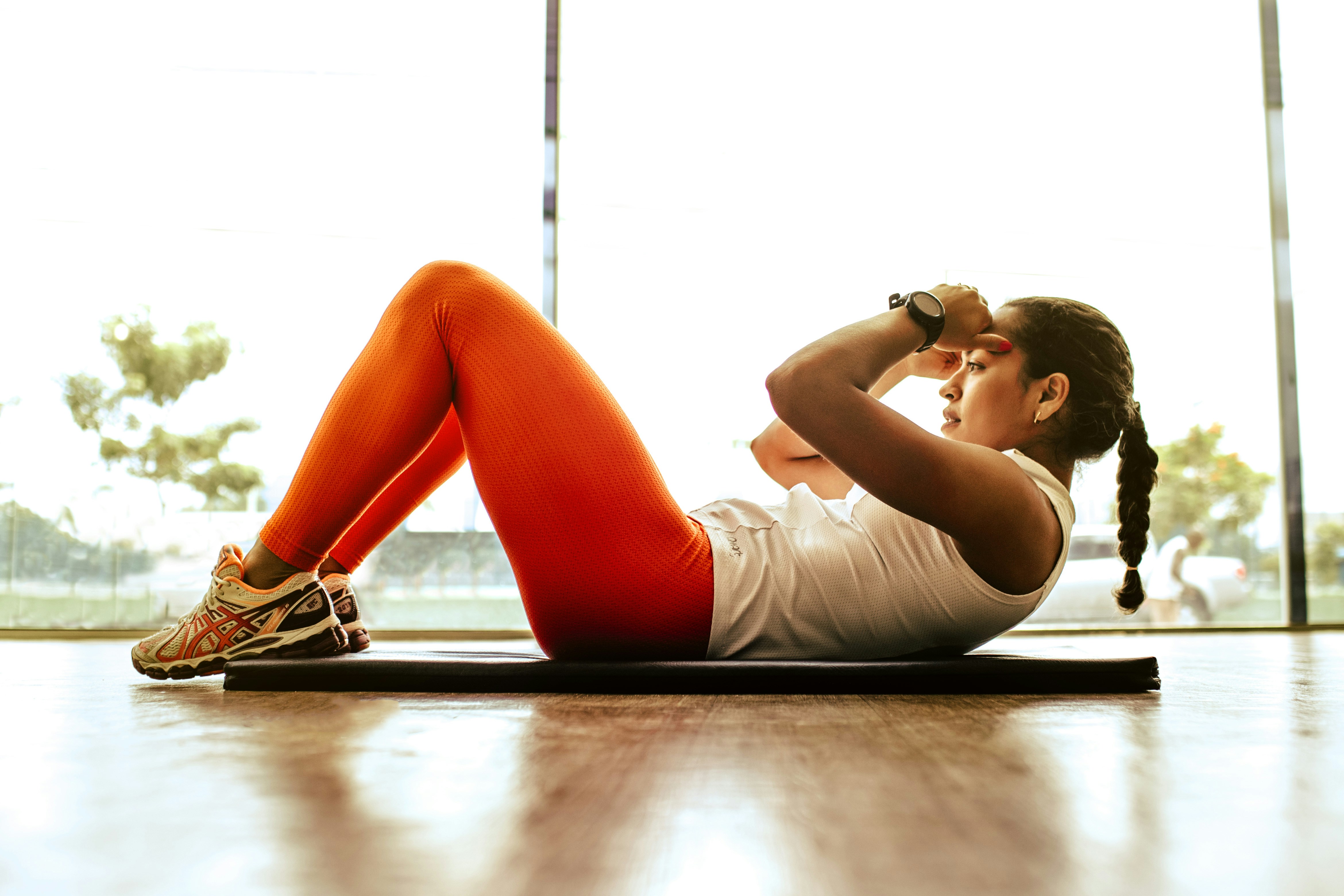
Why Strength Training Changes Everything
Let me be very clear about this: Cardio is fine. Yoga is great. But if you’re only doing those and ignoring strength training, you’re missing out on the most effective form of exercise for women.
What Strength Training Actually Does
Builds muscle:
- Makes you stronger (obviously)
- Changes your body composition (more muscle, less fat)
- Increases your metabolism (muscle burns more calories than fat)
- Improves your shape (not bulky, just toned and strong)
Strengthens bones:
- Crucial as you get older
- Prevents osteoporosis
- Weight-bearing exercise is essential for bone density
Boosts metabolism:
- Muscle tissue burns more calories at rest
- Your body becomes more efficient
- Easier to maintain weight long-term
Improves daily life:
- Carrying shopping is easier
- Picking up kids doesn’t hurt your back
- Moving furniture becomes possible
- Opening jars (the real test!)
Mental health:
- Confidence boost from getting stronger
- Sense of achievement
- Stress relief
- Empowering as hell
Long-term health:
- Reduces injury risk
- Improves posture
- Better balance and coordination
- Healthy ageing
What It Doesn’t Do
Make you bulky: Women don’t have enough testosterone to build huge muscles naturally. You’ll get toned and strong, not massive.
Require hours in the gym: 3-4 sessions per week, 45 minutes each, is plenty.
Need expensive equipment: Bodyweight, dumbbells, and basic equipment work brilliantly.
The “I’ll Get Bulky” Myth
Let me destroy this myth once and for all.
To build significant muscle mass, women would need:
- VERY high testosterone (we have about 10% of men’s levels)
- Years of dedicated heavy training
- Specific nutrition (eating loads of protein and calories)
- Probably some assistance (supplements or steroids)
What actually happens when women lift weights:
- You get stronger
- You look more toned
- Your clothes fit better
- You feel more confident
- You DON’T suddenly wake up looking like a bodybuilder
Those muscular women you see:
- Trained for YEARS
- Specifically trying to build maximum muscle
- Eating in a specific way
- Often have great genetics for muscle building
- It doesn’t happen by accident!
For normal women doing strength training:
- You’ll look fit and toned
- Not bulky
- More like an athlete than a bodybuilder
- Strong, not huge
Where to Train: Home vs Gym
Training at Home
Pros:
- No commute or membership fees
- Exercise in your pants if you want
- No waiting for equipment
- No intimidation
- Available 24/7
Cons:
- Need to buy equipment (but not much)
- Limited equipment variety
- Requires self-motivation
- Space constraints
What you need: Adjustable dumbbells (£60-100), resistance bands (£15), yoga mat (£15)
👉 Complete guide: Best Budget Home Gym Equipment UK
Training at a Gym
Pros:
- Access to all equipment
- More exercise variety
- Classes available
- Social aspect
- Clear separation from home
Cons:
- Monthly fees (£30-50)
- Commute time
- Can be intimidating
- Busier at peak times
- Need to leave house (sometimes hard!)
Choosing a gym: Look for women-only sections, beginner-friendly atmosphere, good equipment
Your First Gym Visit: Conquering the Intimidation
Let’s be honest: the weights section can be scary. It’s often full of confident-looking people who seem to know exactly what they’re doing.
How to Feel Less Intimidated
Remember:
- Everyone started as a beginner (even the massive blokes)
- Most people are too focused on their own workout to notice you
- People generally respect anyone making an effort
- You have as much right to be there as anyone
Practical tips:
- Go during quieter times initially (10am-3pm or after 8pm)
- Bring a friend if possible
- Wear headphones (even if not listening to anything)
- Have a plan (know what exercises you’re doing)
- Start in a quieter area if possible
- Ask for an induction/PT session (most gyms include one)
What to do if someone’s using equipment you need:
- Ask “Are you using this?” or “How many sets have you got left?”
- Most people are friendly and will let you work in
- Don’t hover awkwardly – just ask
👉 Complete guide: Gym Anxiety: How to Feel Confident in the Weights Section
The Essential Equipment
What Each Piece Does
Dumbbells:
- Free weights you hold in each hand
- Huge variety of exercises
- Start light (2-5kg)
- Most gyms have full range
Barbells:
- Long bar with weights on each end
- For bigger lifts (squats, deadlifts, bench press)
- Start with just the bar (20kg)
- Build up gradually
Weight machines:
- Guided movement path
- Good for beginners (safer)
- Can’t go wrong with form as easily
- Useful for certain exercises
Resistance bands:
- Elastic bands providing resistance
- Good for warm-ups and accessories
- Travel-friendly
- Cheap
Bench:
- For chest press, rows, step-ups
- Adjustable (flat, incline, decline)
- Essential piece of equipment
Squat rack/power rack:
- For safely doing squats, overhead press
- Has safety bars
- Essential for barbell work
👉 Equipment guide: Understanding Gym Equipment: What Everything Actually Does
The 5 Essential Compound Lifts
These are the foundation of any good strength training programme. Master these and you’ll be stronger than most people in the gym.
1. Squat
What it works: Legs (quads, glutes, hamstrings), core
Why it’s essential: Functional movement, builds lower body strength, brilliant for glutes
Beginner version: Bodyweight squats, goblet squats (holding dumbbell)
👉 Detailed guide: Proper Form Guide: The 5 Essential Compound Lifts
2. Deadlift
What it works: Entire posterior chain (back, glutes, hamstrings), core
Why it’s essential: Best exercise for overall strength, functional movement
Beginner version: Romanian deadlifts with light dumbbells
3. Bench Press
What it works: Chest, shoulders, triceps
Why it’s essential: Best upper body pushing movement
Beginner version: Press-ups, dumbbell chest press on floor
4. Overhead Press
What it works: Shoulders, triceps, core
Why it’s essential: Functional movement, builds strong shoulders
Beginner version: Dumbbell shoulder press (seated or standing)
5. Row
What it works: Back muscles, biceps
Why it’s essential: Pulls balance out pushes, improves posture
Beginner version: Dumbbell rows, resistance band rows
Your First Workout Programme
This is a complete 12-week beginner programme that progresses you from absolute beginner to confidently lifting weights.
Weeks 1-4: Learning the Movements
Focus: Perfect form with light weights, building confidence
Schedule: 3 days per week (Monday, Wednesday, Friday)
Full Body Workout (do all three days):
Warm-up (5 minutes):
- Light cardio (treadmill, bike)
- Dynamic stretches
Main Workout:
- Goblet Squats: 3 sets x 10 reps
- Press-Ups (modified on knees if needed): 3 sets x 8-12 reps
- Dumbbell Romanian Deadlifts: 3 sets x 10 reps
- Dumbbell Shoulder Press: 3 sets x 10 reps
- Dumbbell Rows: 3 sets x 10 each arm
- Plank: 3 sets x 20-30 seconds
Rest: 90 seconds between sets
Cool down (5 minutes): Stretching
👉 Complete programme: 12-Week Beginner Strength Training Programme
Weeks 5-8: Building Strength
Focus: Increasing weights, building confidence
Schedule: 3-4 days per week
Split routine (alternate):
Workout A (Lower Body + Core):
- Goblet Squats: 4 sets x 10 reps
- Romanian Deadlifts: 3 sets x 10 reps
- Lunges: 3 sets x 10 each leg
- Glute Bridges: 3 sets x 15 reps
- Plank: 3 sets x 30-45 seconds
Workout B (Upper Body):
- Dumbbell Chest Press: 4 sets x 10 reps
- Dumbbell Rows: 4 sets x 10 each arm
- Shoulder Press: 3 sets x 10 reps
- Bicep Curls: 3 sets x 12 reps
- Tricep Extensions: 3 sets x 12 reps
Week schedule: A, B, rest, A, B, rest, rest
Weeks 9-12: Progressive Overload
Focus: Getting stronger, challenging yourself
Schedule: 4 days per week
Same exercises, but:
- Heavier weights
- More sets (4-5 sets)
- Less rest (60 seconds)
- Better form
- More confidence
Progressive Overload: The Key to Getting Stronger
This is THE most important concept in strength training.
Progressive overload means: Gradually increasing the demands on your muscles over time
How to progress:
- Increase weight (most common)
- Increase reps
- Increase sets
- Decrease rest time
- Improve form (full range of motion)
Example:
- Week 1: 5kg dumbbells, 3 sets x 10 reps
- Week 2: 5kg dumbbells, 3 sets x 12 reps (more reps)
- Week 3: 6kg dumbbells, 3 sets x 10 reps (more weight)
- Week 4: 6kg dumbbells, 3 sets x 12 reps
Keep a training log to track your progress. Can be as simple as notes in your phone.
How Much Weight Should You Lift?
The honest answer: It depends.
General rule:
- Should feel challenging
- Last 2-3 reps should be difficult
- Maintain good form throughout
- Could maybe do 1-2 more reps
Too light:
- Easy throughout
- Could do many more reps
- No challenge
Too heavy:
- Can’t complete reps
- Form breaks down
- Risk of injury
Start lighter than you think and progress gradually. Your ego will tell you to lift heavier – ignore it initially.
👉 Detailed guide: How Much Weight Should I Lift? (Progressive Overload Explained)
Form vs Weight: Why Form Comes First
Bad form with heavy weight = injury
Good form with lighter weight = results
Always prioritize form:
- Prevents injury
- Works the right muscles
- Builds good habits
- You’ll progress faster long-term
Signs of bad form:
- Pain (not just muscle burn)
- Joints clicking/grinding
- Using momentum
- Can’t control weight
- Compensating with other muscles
When learning new exercises:
- Start with bodyweight or very light weight
- Master the movement pattern
- Film yourself if possible
- Get feedback from trainer/experienced friend
- THEN add weight
👉 Form guide: Proper Form Guide: The 5 Essential Compound Lifts
Common Beginner Mistakes
Mistake 1: Not Eating Enough Protein
Why it matters: Protein rebuilds muscle after training
What you need: 1.6-2.2g per kg bodyweight (roughly 80-120g for most women)
Good sources: Chicken, fish, eggs, Greek yoghurt, protein powder, tofu, lentils
Mistake 2: Doing Too Much Too Soon
Why it matters: Your body needs time to adapt
Start with: 3 days per week, full body workouts
Avoid: Training every day initially, doing too many exercises
Mistake 3: Neglecting Lower Body
Why it matters: Legs are the largest muscle group, burn most calories
Don’t: Just do upper body because “cardio works legs”
Do: Proper leg training 1-2x per week
Mistake 4: Not Resting Enough
Why it matters: Muscles grow during rest, not during training
You need: At least 1 day between training same muscles
Sleep: 7-9 hours crucial for recovery
Mistake 5: Comparing to Others
Why it matters: Everyone starts somewhere, everyone progresses differently
Don’t: Compare your week 1 to someone’s year 3
Do: Track YOUR progress, celebrate YOUR improvements
Nutrition for Strength Training
You need to eat to build muscle. Undereating while strength training = wasted effort.
The Basics
Protein: Essential for muscle repair and growth
- 80-120g per day for most women
- Spread across meals
- Within 2 hours post-workout helpful
Carbs: Fuel for workouts
- Don’t fear carbs!
- Need energy for lifting
- Helpful for recovery
Fats: Important for hormones
- Healthy fats essential
- Don’t go too low
- Support muscle building
Calories: Need enough
- Don’t severely restrict
- Eating too little = no muscle growth
- Gentle surplus or maintenance fine
Pre and Post Workout
Before workout (1-2 hours):
- Carbs + moderate protein
- E.g., banana with peanut butter, toast with eggs
After workout (within 2 hours):
- Protein + carbs
- E.g., protein shake with banana, chicken with rice
Recovery and Rest Days
This is where you actually get stronger.
What Happens During Rest
During workout: Muscle fibers get tiny tears (normal!)
During rest: Body repairs tears, muscles grow back stronger
Without rest: No recovery, no progress, risk of injury
Active Recovery
Rest doesn’t mean lying on sofa (though sometimes that’s fine!)
Good active recovery:
- Gentle walking
- Yoga or stretching
- Swimming (easy pace)
- Light cycling
Avoid:
- Intense cardio
- Same muscle groups again
- Anything that interferes with recovery
Tracking Your Progress
The scales don’t tell the whole story.
What to Track
Strength gains:
- Weight lifted increases
- Reps increase
- Exercises get easier
- Best indicator of progress
How clothes fit:
- Often more accurate than scales
- Body composition changing
- Muscle weighs more than fat
Photos:
- Monthly progress photos
- Same lighting, same pose
- Visual changes over time
Measurements:
- Waist, hips, arms, legs
- Can lose inches while gaining weight (muscle!)
How you feel:
- More energy
- Better posture
- Stronger in daily life
- Confidence growing
Don’t Obsess Over:
- Daily weight fluctuations
- Comparing to others
- Perfect workouts
- Missing one session
When to Get Help
Consider a personal trainer if:
- Very intimidated by gym
- Want to learn proper form
- Need accountability
- Have specific goals
- Can afford it (£30-60 per session UK)
Even just 3-6 sessions to learn the basics can be worth it.
Or find:
- Beginner strength training classes
- Women-only training sessions
- Online coaching (cheaper)
- YouTube form videos
Your Questions Answered
“Will I lose my boobs?” Possibly some, depends on body composition. But you’ll look better overall.
“How long until I see results?” Strength gains: 4-6 weeks. Visible changes: 8-12 weeks with consistency.
“Can I strength train during my period?” Yes! Though adjust based on how you feel. Some women are stronger, some weaker.
“Do I need supplements?” No. Protein powder is convenient but not essential. Real food works.
“What if I can’t do press-ups?” Start with wall press-ups, then incline, then knee press-ups, then full. Progress gradually.
“Should I do cardio too?” Some cardio is good for heart health. But strength training should be priority.
The Bottom Line
Strength training is the best thing you can do for your body. It won’t make you bulky, it will make you strong, confident, and healthy.
To get started:
- Choose home or gym
- Learn the 5 essential lifts
- Start with a beginner programme (3 days/week)
- Focus on form over weight
- Progress gradually
- Eat enough protein
- Rest and recover
- Track your progress
- Be consistent
- Be patient
You don’t need:
- Perfect equipment
- Expensive gym
- Hours of time
- To know everything
- To be fit already
You just need:
- Willingness to start
- Consistency
- Patience
- Trust in the process
The gym is not just for men. The weights section is not just for bodybuilders. Strength training is for everyone, and it will change your life.
Now stop reading and go lift something heavy.
Ready to Start?
📖 Complete Guides:
- How to Start Lifting Weights (Complete Beginner Guide)
- Gym Anxiety: How to Feel Confident in the Weights Section
- Understanding Gym Equipment: What Everything Actually Does
- Proper Form Guide: The 5 Essential Compound Lifts
- 12-Week Beginner Strength Training Programme
- How Much Weight Should I Lift? (Progressive Overload Explained)
- Women’s Gym Etiquette: The Unwritten Rules
- What to Wear to the Gym: UK Shopping Guide
Have you started strength training? What’s holding you back? Share in the comments! x