
I’ve been eating a plant-based diet for over 4 weeks. Like most people, I was attracted to the plant-based diet due to its numerous health benefits, ranging from weight loss to improved heart health and even a reduced risk of certain cancers. But what exactly does a plant-based diet entail, and how can you ensure that you’re getting all the nutrients you need?
Let’s look at the various types of plant-based diets, the foods to focus on, and tips for maintaining a balanced and nutritious diet.
Understanding Plant-Based Diets: Types and Definitions
A plant-based diet primarily consists of foods derived from plant sources, such as fruits, vegetables, grains, pulses, legumes, nuts, and seeds. However, there are different interpretations of what a plant-based diet looks like:
- Semi-vegetarian or flexitarian diet: This diet includes small amounts of animal products like meat and fish while focusing mainly on vegetarian foods.
- Pescatarian diet: This diet excludes meat but still includes fish and other seafood.
- Vegetarian diet: This diet excludes all meat and fish but still includes dairy and eggs.
- Vegan diet: This diet excludes all animal-derived products, including dairy, eggs, honey, and gelatin.
While the extent to which animal products are included varies, the primary focus of a plant-based diet is on consuming whole, minimally processed plant foods.
Read this post for more about vegan vs plant-based diets.
Out of the above, I identify with the flexitarian plant-based diet – I eat plant-based 95% of the time but have small amounts of dairy – mostly milk in my tea a few times a week and maybe a bit of cheese.
Health Benefits of a Plant-Based Diet
Numerous studies have shown that plant-based diets offer various health benefits, such as:
- Weight loss and maintenance: Plant-based diets are often high in fibre and low in processed foods, making them effective for weight loss and long-term weight management.
- Reduced risk of chronic diseases: A well-balanced plant-based diet may lower the risk of developing heart disease, type 2 diabetes, and certain types of cancer.
- Improved cognitive function: Diets rich in fruits and vegetables may help slow cognitive decline and prevent Alzheimer’s disease in older adults.
- Environmental sustainability: Plant-based diets, particularly those emphasising local ingredients, have a smaller environmental footprint compared to diets heavy in animal products.
Read this post for more benefits of a plant-based diet.
Key Nutrients in a Plant-Based Diet
When following a plant-based diet, it’s essential to ensure that you’re getting all the necessary nutrients. Some key nutrients to focus on include:
- Protein: Plant-based protein sources include beans, legumes, soy, nuts, and seeds. Consuming a variety of these foods ensures that you’re getting all the essential amino acids your body needs.
- Vitamin B12: This vitamin is only found in animal products, so those following a plant-based diet may need to consume fortified foods or supplements to meet their B12 needs.
- Vitamin D: As vitamin D is found in limited amounts in plant foods, fortified plant-based milks or supplements may be necessary for those following a plant-based diet.
- Omega-3 fatty acids: While plant-based sources of omega-3s, such as flaxseeds and walnuts, are available, they must be converted by the body into the more active forms, EPA and DHA. Supplements containing algae-derived EPA and DHA may be beneficial for those following a plant-based diet.
- Calcium: Plant-based sources of calcium include leafy greens, fortified plant milks, and tofu. Ensuring a varied intake of these foods can help meet calcium requirements.
Foods to Eat on a Plant-Based Diet
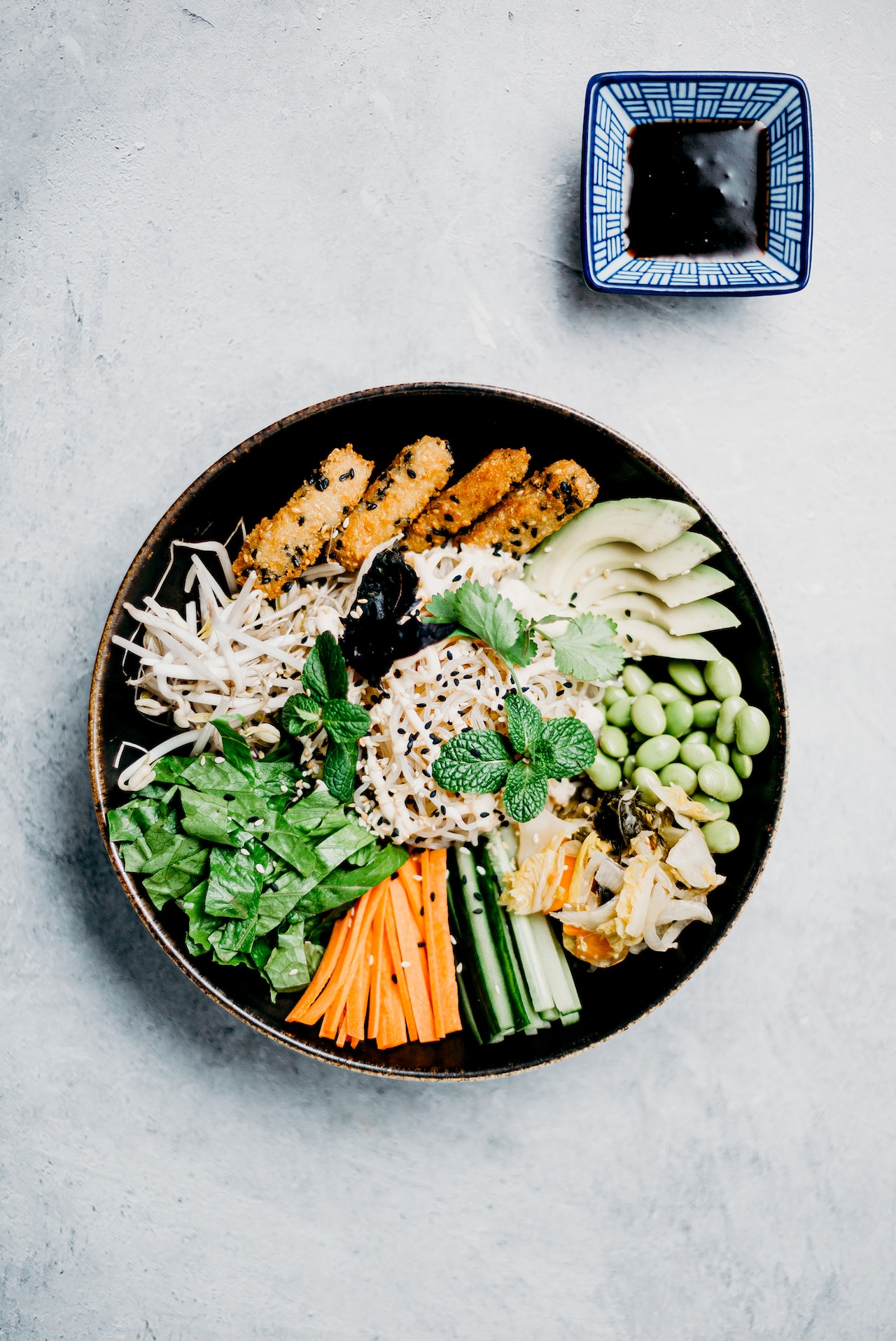
A well-planned plant-based diet should include a variety of nutrient-dense whole foods. Some examples of foods to include in your diet are:
- Fruits: Berries, citrus fruits, pears, peaches, pineapple, bananas, etc.
- Vegetables: Kale, spinach, tomatoes, broccoli, cauliflower, carrots, asparagus, peppers, etc.
- Starchy vegetables: Potatoes, sweet potatoes, butternut squash, etc.
- Whole grains: Brown rice, rolled oats, farro, quinoa, whole-grain pasta, barley, etc.
- Healthy fats: Avocados, olive oil, unsweetened coconut, etc.
- Legumes: Peas, chickpeas, lentils, peanuts, black beans, etc.
- Seeds, nuts, and nut butters: Almonds, cashews, macadamia nuts, pumpkin seeds, sunflower seeds, natural peanut butter, tahini, etc.
- Unsweetened plant-based milks: Coconut milk, almond milk, cashew milk, etc.
- Spices, herbs, and seasonings: Basil, rosemary, turmeric, curry, black pepper, salt, etc.
- Condiments: Salsa, mustard, nutritional yeast, soy sauce, vinegar, lemon juice, etc.
- Plant-based protein: Tofu, tempeh, plant-based protein sources, or powders with no added sugar or artificial ingredients
- Beverages: Coffee, tea, sparkling water, etc.
If you choose to include animal products in your plant-based diet, opt for quality options such as pasture-raised, grass-fed, wild-caught, or organic products whenever possible.
Foods to Avoid or Minimise on a Plant-Based Diet
When following a plant-based diet, it’s essential to avoid or minimise the consumption of heavily processed foods. Something maybe be vegan, but it doesn’t mean it’s good for you. Some foods to avoid or minimise include:
- Fast food: French fries, cheeseburgers, hot dogs, chicken nuggets, etc.
- Added sugars and sweets: Table sugar, soda, juice, pastries, cookies, candy, sweet tea, sugary cereals, etc.
- Refined grains: White rice, white pasta, white bread, bagels, etc.
- Packaged and convenience foods: Chips, crackers, cereal bars, frozen dinners, etc.
- Processed vegan-friendly foods: Plant-based meats like Tofurky, faux cheeses, vegan butters, etc.
- Artificial sweeteners: Equal, Splenda, Sweet’N Low, etc.
- Processed animal products: Bacon, lunch meats, sausage, beef jerky, etc.
Example Meal Plan for a Plant-Based Diet
To help you get started on a plant-based diet, here’s a sample 7-day meal plan:
Monday
- Breakfast: Oatmeal with coconut milk, berries, coconut, and walnuts
- Lunch: Large salad with fresh vegetables, chickpeas, avocado, pumpkin seeds, and goat cheese
- Dinner: Butternut squash curry
Tuesday
- Breakfast: Muesli with sliced strawberries, unsweetened coconut, and pumpkin seeds
- Lunch: Meatless chilli made with beans
- Dinner: Sweet potato and black bean tacos
Wednesday
- Breakfast: Smoothie with unsweetened coconut milk, berries, peanut butter, and unsweetened plant-based protein powder
- Lunch: Hummus and veggie wrap
- Dinner: Zucchini noodles with vegetarian pesto and stir-fried veg
Thursday
- Breakfast: Savory oatmeal with avocado, salsa, and black beans
- Lunch: Quinoa and veggie feta salad
- Dinner: Roast butternut squash with roasted sweet potatoes and broccoli
Friday
- Breakfast: Tofu and vegetable frittata
- Lunch: Large salad topped with couscous and falafel
- Dinner: Roasted portobello fajitas
Saturday
- Breakfast: Blackberry, kale, cashew butter, and coconut protein smoothie
- Lunch: Vegetable, avocado, and brown rice sushi with a seaweed salad
- Dinner: Aubergine lasagna with a large green salad
Sunday
- Breakfast: Granola and banana
- Lunch: Roasted vegetable and tahini quinoa bowl
- Dinner: Black bean burgers served on a large salad with sliced avocado
Remember, the extent to which you include animal products in your plant-based diet is up to you. Adjust the meal plan according to your preferences and dietary needs.
The Bottom Line
A well-balanced, plant-based diet offers numerous health benefits, including weight loss, improved heart health, and a reduced risk of chronic diseases. By focusing on whole, minimally processed plant foods and ensuring that you’re getting all the necessary nutrients, you can enjoy the advantages of a plant-based diet while also promoting environmental sustainability. With some planning and experimentation, transitioning to a plant-based diet can be enjoyable and rewarding for your health and the planet.