
Let’s talk about hormonal balance and food. But I’m not going to give you some wellness influencer nonsense about drinking celery juice at 5am or only eating foods that are beige and boring. Because here’s the truth: supporting your hormones through nutrition doesn’t mean living on salads and sadness.
You’ve probably seen those posts about “hormone-balancing foods” with pictures of kale smoothies and chia seed pudding. And look, those things are fine if you enjoy them, but you don’t need to eat like you’re on some sort of wellness retreat to support your hormones.
So let’s have a proper chat about what actually helps, what’s rubbish, and how to eat in a way that supports your hormonal health without making you miserable.
- The Basics: What Affects Your Hormones
- Protein: Your Hormonal Foundation
- Healthy Fats: Not the Enemy
- Fibre: For Your Gut and Hormones
- Cruciferous Vegetables: The Hormone Helpers
- Foods Rich in Magnesium
- Probiotic and Prebiotic Foods
- What to Limit (Not Ban Forever)
- What About Soy?
- Sample Day of Hormone-Supporting Eating
- The Foods to Stop Stressing About
- When to Consider Supplements
- The Bottom Line
- Ready to Learn More?
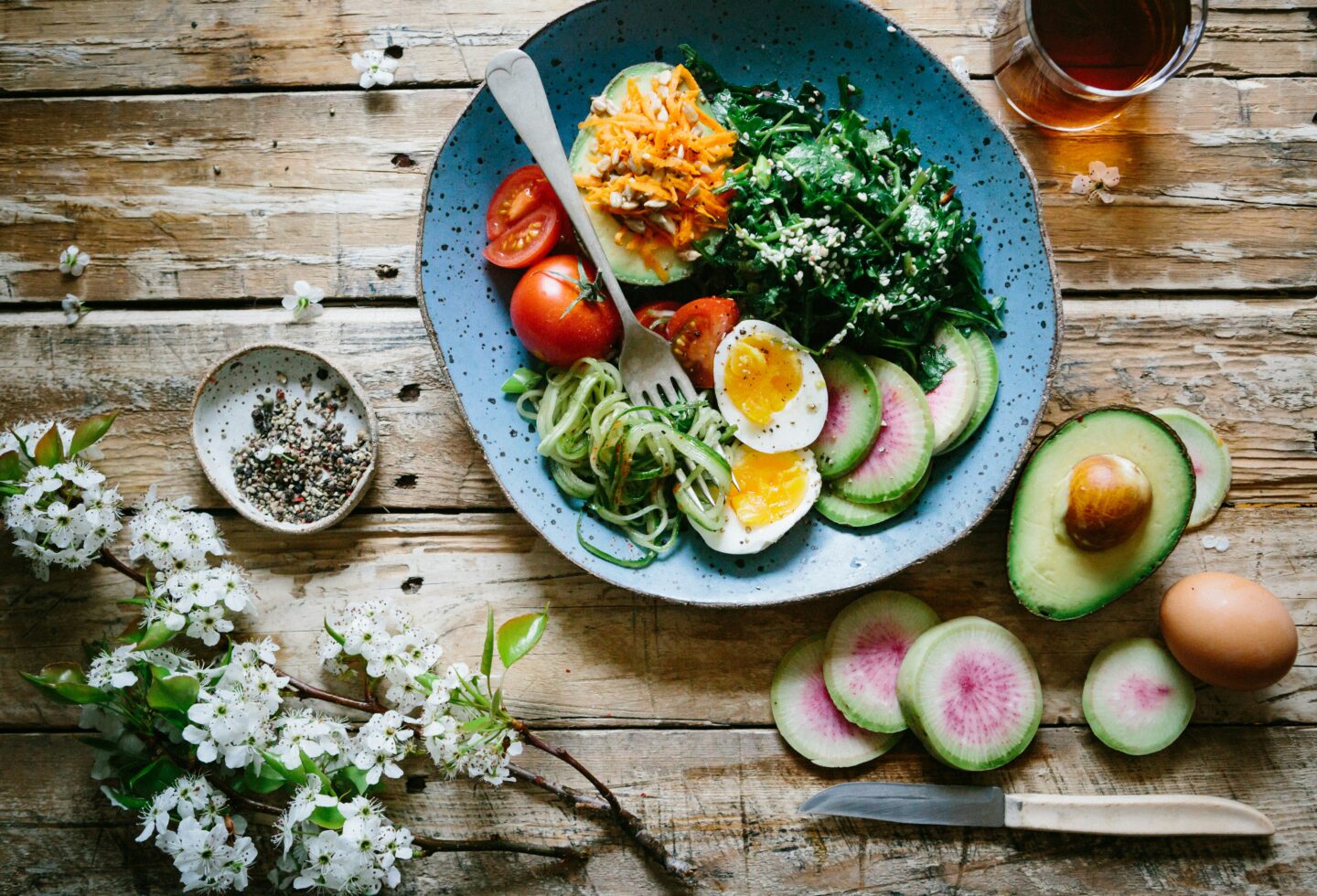
The Basics: What Affects Your Hormones
Before we dive into specific foods, let’s quickly cover what actually influences your hormones:
Blood sugar balance: Constant blood sugar spikes and crashes mess with insulin, which affects all your other hormones.
Inflammation: Chronic inflammation disrupts hormone production and signalling.
Gut health: Your gut bacteria actually help metabolise hormones. If your gut’s a mess, your hormones will be too.
Nutrient deficiencies: You need specific vitamins and minerals to produce and regulate hormones.
Stress: Chronic stress elevates cortisol, which interferes with all your other hormones.
Undereating: Not eating enough tanks your metabolism and disrupts reproductive hormones.
Good news? Food can help with all of these things. You don’t need expensive supplements or restrictive diets – just a sensible approach to eating.
Protein: Your Hormonal Foundation
Right, first things first: you need to eat enough protein. I know it’s not sexy or trendy, but protein is absolutely crucial for hormone production and blood sugar balance.
Protein helps:
- Stabilise blood sugar (no massive insulin spikes)
- Build and repair tissue
- Produce hormones (they’re literally made from amino acids)
- Keep you full (so you’re not constantly snacking on biscuits)
- Maintain muscle mass (which helps with metabolism)
How much? Aim for about 20-30g of protein per meal. For most women, that’s about 80-120g per day, more if you’re very active or in perimenopause.
Good sources:
- Eggs (brilliant for breakfast, loads of nutrients)
- Greek yoghurt (higher protein than regular yoghurt)
- Chicken, turkey, lean beef
- Fish (especially oily fish – more on that in a minute)
- Tofu, tempeh, edamame
- Lentils, chickpeas, beans
- Cottage cheese
- Protein powder (if you struggle to get enough from food)
Practical tip: Make sure every meal has a decent protein source. Breakfast is where people often fall short – swapping toast for eggs or adding Greek yoghurt to your porridge makes a real difference.
Healthy Fats: Not the Enemy
For years we were told fat makes you fat and clogs your arteries. Turns out, we need healthy fats for hormone production. Your sex hormones (oestrogen, progesterone, testosterone) are literally made from cholesterol.
Low-fat diets can actually worsen hormonal issues, particularly for reproductive hormones. Women who eat too little fat often have irregular periods or lose them completely.
Good fats to include:
- Olive oil (extra virgin, for cooking and dressings)
- Avocados (yes, they’re expensive, but they’re brilliant)
- Nuts and seeds (almonds, walnuts, pumpkin seeds, sunflower seeds)
- Oily fish (salmon, mackerel, sardines, anchovies)
- Eggs (the yolks contain most of the nutrients)
- Full-fat dairy (if you tolerate it)
- Dark chocolate (70%+ cocoa – see, not all joyless!)
Omega-3 fatty acids deserve special mention. They’re anti-inflammatory and really important for hormone health. Oily fish is the best source, but if you don’t eat fish, consider walnuts, chia seeds, or a good quality omega-3 supplement.
Practical tip: Don’t be afraid of fat. Add olive oil to your vegetables, snack on nuts, eat the whole egg. Fat doesn’t make you gain weight – eating too much of everything makes you gain weight.
Fibre: For Your Gut and Hormones
Your gut bacteria help metabolise and eliminate used hormones, particularly oestrogen. If you’re constipated (let’s be honest, we all are sometimes), those hormones can get reabsorbed, potentially causing oestrogen dominance.
Fibre also:
- Keeps blood sugar stable
- Feeds beneficial gut bacteria
- Helps you feel full
- Supports regular bowel movements (glamorous, but important)
Good sources:
- Vegetables (all of them, honestly)
- Fruits (especially berries, apples, pears)
- Whole grains (oats, brown rice, quinoa, whole wheat)
- Legumes (lentils, beans, chickpeas)
- Nuts and seeds
Aim for: At least 25-30g of fibre per day. Most people in the UK get nowhere near this.
Practical tip: Add vegetables to everything. Veg in your eggs, veg with your pasta, veg on the side of your meals. It’s the easiest way to boost fibre without thinking too hard about it.
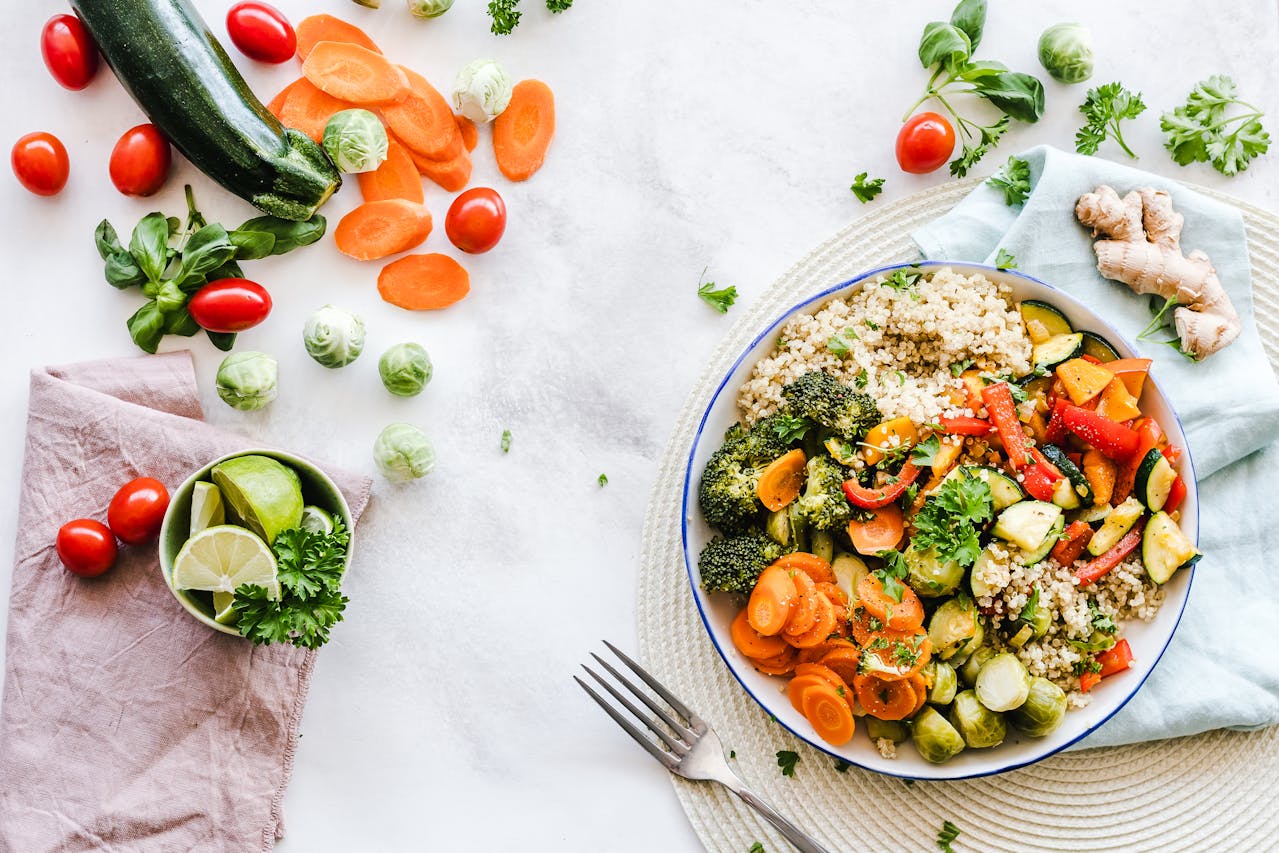
Cruciferous Vegetables: The Hormone Helpers
Broccoli, cauliflower, Brussels sprouts, cabbage, kale – these vegetables contain compounds that help your body metabolise oestrogen properly. They’re particularly helpful if you have oestrogen dominance (heavy periods, PMS, breast tenderness).
Don’t worry, you don’t need to eat mountains of them. Just including them a few times a week helps.
Ways to eat them that don’t suck:
- Roasted broccoli with olive oil and garlic (game-changer)
- Cauliflower rice in stir-fries
- Brussels sprouts with bacon (everything’s better with bacon)
- Coleslaw made with proper mayonnaise
- Add kale to curries or soups
Practical tip: Frozen veg counts! Keep frozen broccoli or cauliflower in the freezer for easy additions to meals.
Foods Rich in Magnesium
Magnesium is involved in over 300 processes in your body, including hormone production. It also helps with:
- PMS symptoms
- Sleep quality
- Stress management
- Blood sugar control
- Muscle relaxation (great for period cramps)
Many women are deficient in magnesium, partly because stress depletes it.
Good sources:
- Dark chocolate (70%+ cocoa – you’re welcome)
- Nuts (especially almonds and cashews)
- Seeds (pumpkin seeds are brilliant)
- Leafy greens (spinach, chard)
- Avocados
- Black beans
- Whole grains
- Bananas
Practical tip: A small piece of dark chocolate after dinner can actually help with hormones (and sanity). You don’t need to eat the whole bar, but 20-30g is absolutely fine.
Probiotic and Prebiotic Foods
Your gut microbiome influences your hormones in loads of ways. Supporting gut health through food can help with everything from PMS to weight management.
Probiotic foods (contain beneficial bacteria):
- Live yoghurt (check the label for “live cultures”)
- Kefir
- Sauerkraut (the proper fermented kind, not pickled)
- Kimchi
- Miso
- Kombucha (if you like it)
Prebiotic foods (feed the good bacteria):
- Onions and garlic
- Leeks
- Asparagus
- Bananas (especially slightly green ones)
- Oats
- Apples
Practical tip: You don’t need to eat fermented foods at every meal. A few times a week makes a difference. Greek yoghurt with breakfast or kimchi with your dinner works brilliantly.
What to Limit (Not Ban Forever)
Notice I said “limit,” not “never eat again.” Life’s too short to never have pizza or a glass of wine.
Refined Sugar and Processed Foods
Constant blood sugar spikes from sweets, fizzy drinks, and highly processed foods mess with insulin, which then affects all your other hormones. This doesn’t mean never eating cake – it means not living on it.
Practical approach: Enjoy treats sometimes, but don’t keep loads of them in the house. Make them occasional, not daily.
Excess Caffeine
A couple of cups of coffee is fine, but if you’re knocking back 5+ cups a day, it might be affecting your cortisol and sleep (which then affects other hormones).
Practical approach: Stick to 1-3 cups before midday if possible.
Alcohol
Regular heavy drinking affects your liver’s ability to metabolise hormones and can worsen oestrogen dominance. But occasional drinking? Not the end of the world.
Practical approach: If you enjoy alcohol, maybe aim for a few drinks per week rather than daily. Your liver will thank you.
What About Soy?
There’s loads of confusion about soy and hormones. The truth? Moderate amounts of whole soy foods (tofu, tempeh, edamame) are absolutely fine and might even be beneficial for hormone health.
What you want to avoid is loads of highly processed soy products (like some fake meats) eaten constantly. But tofu in your stir-fry or edamame as a snack? Perfectly fine.

Sample Day of Hormone-Supporting Eating
Here’s what a realistic day might look like:
Breakfast: Scrambled eggs with spinach and mushrooms, slice of sourdough toast with butter, cup of coffee
Mid-morning: Apple with almond butter (if you’re hungry)
Lunch: Chicken and avocado salad with olive oil dressing, handful of walnuts
Afternoon snack: Greek yoghurt with berries and a drizzle of honey
Dinner: Salmon with roasted broccoli and sweet potato, olive oil
Evening: Small piece of dark chocolate with a cup of tea
See? Normal food. Nothing weird or restrictive. Just balanced meals with protein, healthy fats, loads of veg, and some enjoyment.
The Foods to Stop Stressing About
Can we just acknowledge that some “wellness” advice is completely over the top? You don’t need to:
- Only eat organic (it’s better if you can afford it, but conventional veg is still veg)
- Avoid all dairy (unless you’re actually intolerant)
- Cut out all carbs (your brain needs glucose, and many whole grains are nutritious)
- Spend a fortune on superfoods (berries, nuts, and oily fish are super enough)
- Juice everything (just eat the damn fruit)
- Follow some elaborate food-combining rules
- Eat everything raw
Life’s complicated enough without making food stressful. Eat real food, mostly plants, include protein and healthy fats, don’t go mad on processed stuff, and you’ll be fine.
When to Consider Supplements
Food first, always. But some supplements can help when diet alone isn’t enough:
- Vitamin D (most people in the UK are deficient, especially in winter)
- Omega-3s (if you don’t eat oily fish)
- Magnesium (if you have symptoms of deficiency)
- Vitamin B complex (for energy and hormone metabolism)
But please, see a GP or nutritionist before taking loads of supplements. More isn’t always better.
The Bottom Line
Supporting your hormones through food doesn’t require extreme diets, expensive supplements, or giving up everything you enjoy. It’s about:
- Eating enough (undereating wrecks your hormones)
- Including protein at every meal
- Not being afraid of healthy fats
- Eating plenty of veg and fibre
- Managing blood sugar with balanced meals
- Supporting your gut with varied, whole foods
- Treating yourself sometimes without guilt
You don’t need to be perfect. You just need to be consistent with the basics. Your hormones will thank you, and you won’t be miserable in the process.
Now if you’ll excuse me, I’m off to eat some eggs and then probably some chocolate later. Balance, right? Take care! x
Ready to Learn More?
Explore the complete guides:
Understanding Your Cycle:
- How to Exercise During Your Menstrual Cycle: A Week-by-Week Guide
- Can Exercise Really Help With PMS? Here’s What the Science Says
- Which Painkillers Work Best for Periods?
Managing Hormonal Conditions:
- PCOS and Exercise: What Actually Works (And What Doesn’t)
- Endometriosis and Fitness: How to Stay Active When Everything Hurts
Life Stage Changes:
- Perimenopause and Exercise: Why Your Usual Routine Might Not Be Working Anymore
- Menopause and Fitness: The Importance of Exercise for Women’s Health
Supporting Your Hormones: