
Have you ever wondered what the difference is between a vegan and a plant-based diet? I’ve just started eating plant-based myself, so have been wondering about the differences between a vegan and plant-based diet. While these terms are often used interchangeably, they are not the same. In this blog post,
So let’s take a look at vegan and plant-based diets, their nutritional benefits, environmental impact, ethical considerations, and challenges.
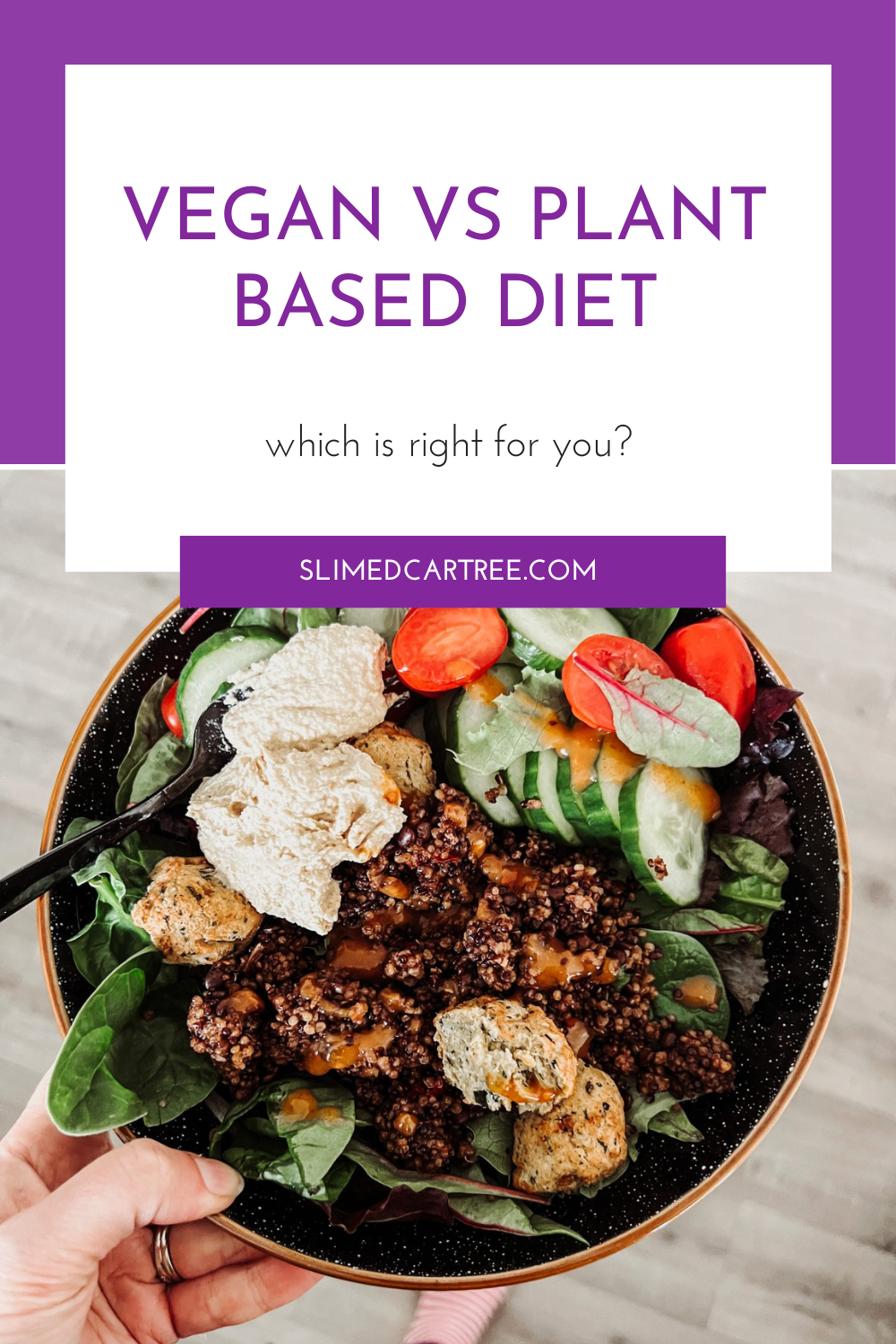
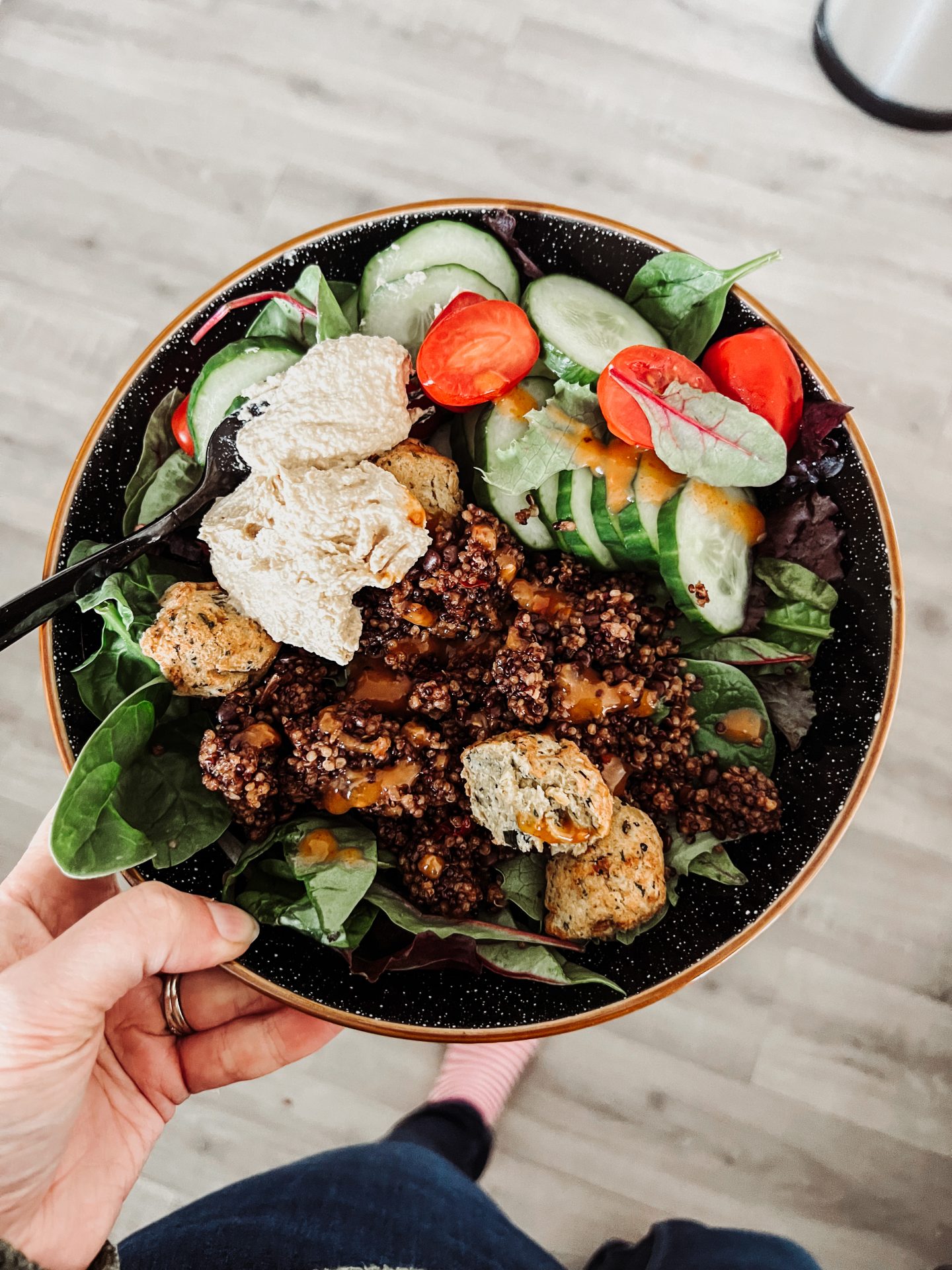
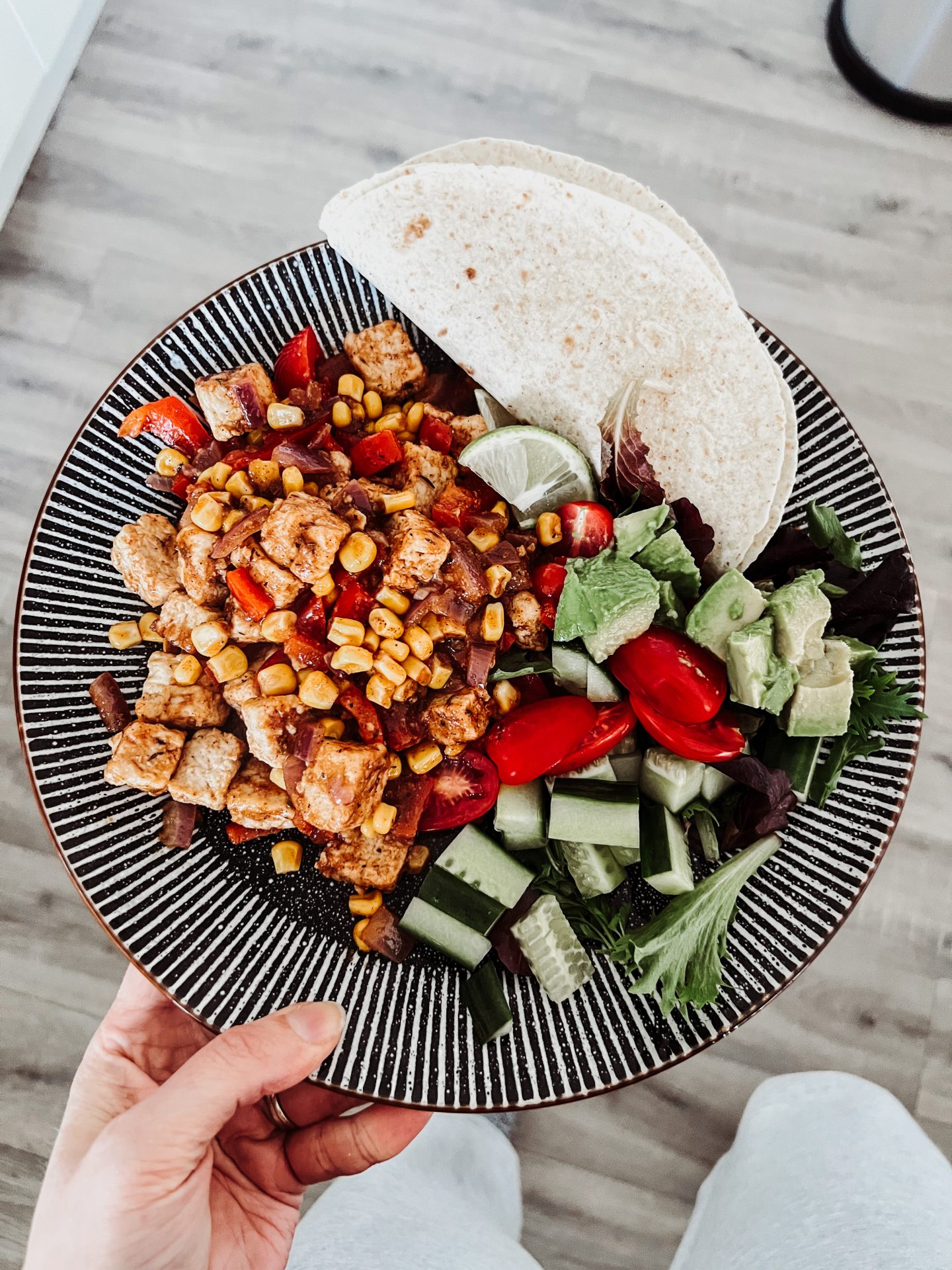
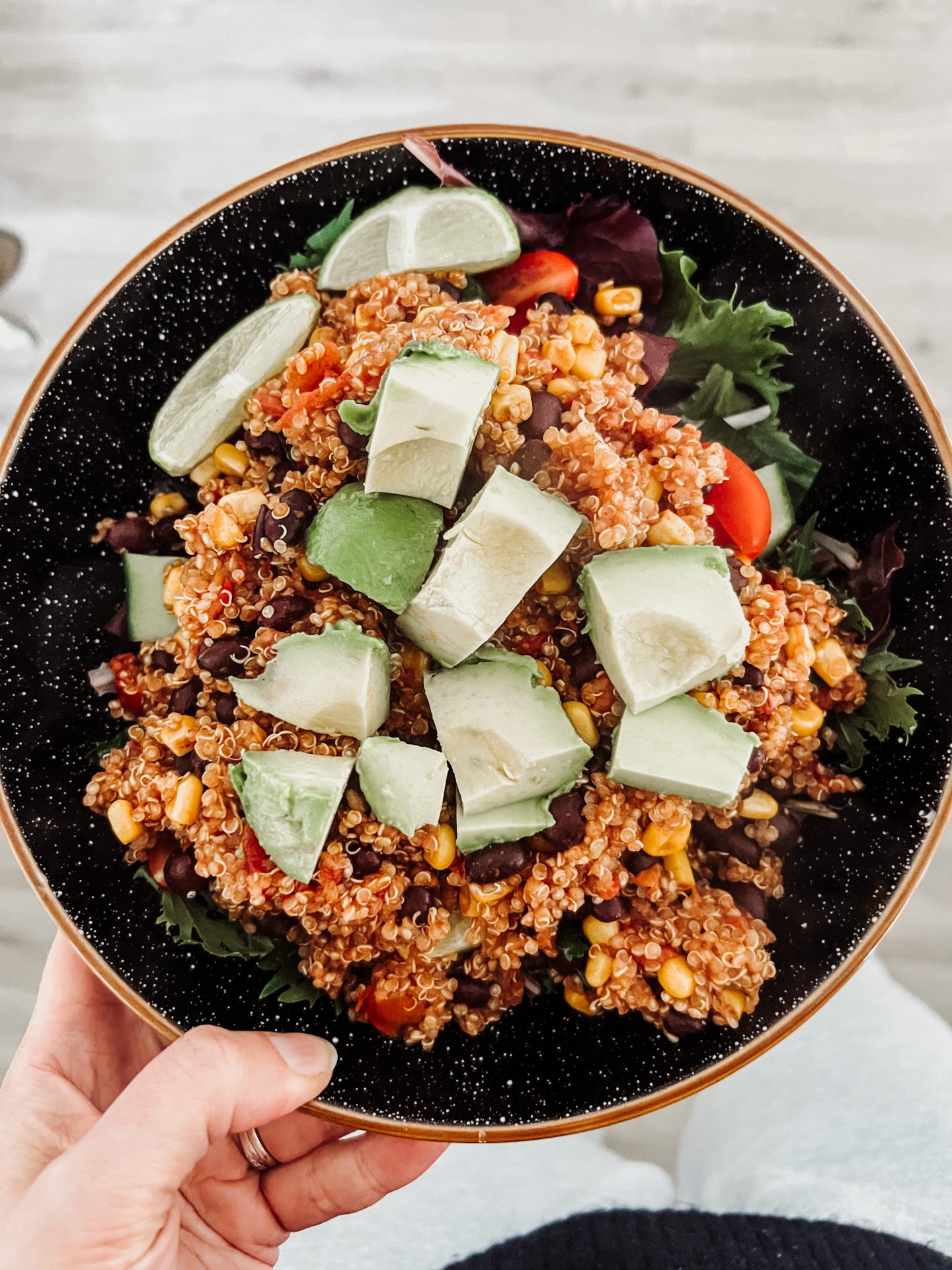
The images in this post are all pictures of plant-based meals I’ve had in the past week.

- Introduction to Vegan and Plant-Based Diets
- What is a Vegan Diet?
- What is a Plant-Based Diet?
- Key Differences between Vegan and Plant-Based Diets
- Nutritional Benefits of a Vegan Diet
- Nutritional Benefits of a Plant-Based Diet
- Junkfood Vegan
- Environmental Impact of Vegan and Plant-Based Diets
- Ethical Considerations of Vegan and Plant-Based Diets
- Challenges of Following a Vegan or Plant-Based Diet
- Tips for Transitioning to a Vegan or Plant-Based Diet
- Which Diet is Right for You?
- My Plant-Based Diet
Introduction to Vegan and Plant-Based Diets
A vegan diet and a plant-based diet have one thing in common: they both exclude animal products. However, the reasons for excluding animal products are different. A vegan diet is a lifestyle choice that aims to eliminate any form of animal exploitation or cruelty. This means that vegans avoid not only meat and dairy but also products such as leather, wool, and silk. On the other hand, a plant-based diet is a dietary choice that focuses on consuming mostly whole plant foods, such as fruits, vegetables, nuts, seeds, and whole grains. While some plant-based dieters may also avoid animal products for ethical reasons, others may do so for health or environmental reasons.
Some people who follow a plant-based diet may include small amounts of animal products in their diet, while still primarily focusing on plant-based foods. This is sometimes referred to as a “flexitarian”.
What is a Vegan Diet?
Veganism is a lifestyle that goes beyond just dietary choices. It is a way of living that seeks to exclude all forms of exploitation and cruelty towards animals. In terms of diet, a vegan excludes all animal products, including meat, fish, dairy, eggs, honey, and any other food that comes from an animal.
While a vegan diet can be healthy, it requires careful planning to ensure that all essential nutrients are consumed. Vegans need to pay attention to getting enough protein, iron, calcium, vitamin B12, and omega-3 fatty acids. These nutrients are typically found in animal products, so vegans need to make sure they get them from plant-based sources. For example, protein can be found in beans, lentils, tofu, and tempeh, while iron can be found in leafy greens, lentils, and fortified cereals.
What is a Plant-Based Diet?
A plant-based diet is a dietary choice that focuses on eating mostly whole plant foods, such as fruits, vegetables, nuts, seeds, and whole grains. The emphasis is on eating foods that are minimally processed and as close to their natural state as possible. Plant-based diets can include small amounts of animal products, such as fish, eggs, and dairy, but the focus is on plant foods.
Plant-based diets are typically high in fibre, vitamins, and minerals, and low in saturated fat and cholesterol. This makes them a healthy choice for preventing chronic diseases such as heart disease, diabetes, and cancer.
Key Differences between Vegan and Plant-Based Diets
The main difference between a vegan diet and a plant-based diet is the exclusion of animal products in a vegan diet. While a plant-based diet can include small amounts of animal products, a vegan diet excludes them completely.
Another difference is the focus on ethics in a vegan diet. Vegans are motivated by ethical concerns about animal welfare and rights, whereas plant-based dieters may choose this lifestyle for health or environmental reasons.

Nutritional Benefits of a Vegan Diet
A well-planned vegan diet can provide all the nutrients the body needs for optimal health. Studies have shown that vegans have lower rates of heart disease, type 2 diabetes, and certain types of cancer compared to non-vegans. This is because a vegan diet is typically low in saturated fat and cholesterol and high in fibre, vitamins, and minerals.
Vegans also tend to have lower body mass index (BMI) and lower blood pressure compared to non-vegans. This is because plant-based diets are typically lower in calories and higher in fibre, which can help with weight management and blood sugar control.
Nutritional Benefits of a Plant-Based Diet
A plant-based diet can also provide all the nutrients the body needs for optimal health. Plant-based diets are high in fibre, which can help with digestion and bowel regularity. They are also high in antioxidants, which can help reduce inflammation and prevent chronic diseases.
Studies have shown that plant-based diets can reduce the risk of heart disease, type 2 diabetes, and certain types of cancer. This is because plant-based diets are typically low in saturated fat and cholesterol and high in fibre, vitamins, and minerals.
Junkfood Vegan
A junk food vegan is a person who follows a vegan diet but relies heavily on highly processed and unhealthy foods that are high in calories, fat, sugar, and salt, but low in nutrients. Examples of junk food that may be consumed by a junk food vegan include vegan cookies, crisps, sugary drinks, meat substitutes and fried foods.
While these can be enjoyed as part of a balanced diet, it’s important not to make these highly-processed junk foods the main part of your diet.
Environmental Impact of Vegan and Plant-Based Diets
Both vegan and plant-based diets have a lower environmental impact compared to a diet that includes a lot of animal products. Animal agriculture is a major contributor to greenhouse gas emissions, deforestation, and water pollution. By choosing a vegan or plant-based diet, individuals can reduce their carbon footprint and help mitigate climate change.
Ethical Considerations of Vegan and Plant-Based Diets
Veganism is based on ethical concerns about animal welfare and rights. By choosing a vegan lifestyle, individuals can reduce the demand for animal products and help reduce animal suffering. Vegans may also choose to avoid products that have been tested on animals or that contain animal-derived ingredients, such as leather or wool.
Plant-based dieters may also have ethical concerns about animal welfare and rights. However, their primary motivation may be health or environmental reasons.
Challenges of Following a Vegan or Plant-Based Diet
One of the biggest challenges of following a vegan or plant-based diet is getting enough protein, iron, calcium, vitamin B12, and omega-3 fatty acids. These nutrients are typically found in animal products, so vegans and plant-based dieters need to make sure they are getting enough from plant-based sources.
Another challenge is eating out or travelling. Many restaurants and food establishments do not offer vegan or plant-based options, so it can be difficult to find suitable meals, although this is changing. Travelling to places where plant-based options are scarce can be challenging.
Tips for Transitioning to a Vegan or Plant-Based Diet
If you are considering a vegan or plant-based diet, it is important to make the transition gradually. Start by incorporating more plant-based foods into your diet, such as fruits, vegetables, and whole grains. Experiment with different types of plant-based protein sources, such as beans, lentils, tofu, tempeh, and seitan.
It is also important to plan your meals and snacks in advance to ensure that you are getting all the essential nutrients. Consider taking a vitamin B12 supplement or a vegan multivitamin to ensure that you are getting enough of this essential nutrient.
Which Diet is Right for You?
Both vegan and plant-based diets have their benefits and challenges. The decision to follow either diet should be based on individual preferences, ethical considerations, health goals, and environmental concerns. If you are considering a vegan or plant-based diet, it is important to do your research, plan your meals, and make the transition gradually. By making informed choices, you can improve your health, reduce your environmental impact, and contribute to a more compassionate world.
My Plant-Based Diet
I follow a plant-based diet about 95% of the time. My meals are mostly plant-based, sometimes they may include animal products. For example, I had some vegetarian Quorn pieces which contains eggs last week and a pepperoni pizza at the weekend when out with friends. Apart from that, all my other meals were plant-based. I also have milk in my tea sometimes.
I feel this works best for me because I’ve always wanted to be plant-based, but thought that meant I had to completely cut EVERYTHING out. Having this flexible way of eating allows me to eat plant-based while not completely banning everything. The idea of never having cheese again is a difficult concept for me. Although saying that, because I have not banned it, I haven’t felt deprived and haven’t actually missed it!
Read here about how you can transition to a plant-based diet.
Did you know the differences between a vegan vs plant-based diet?